

Bathroom Installations & Renovations in Shortstown
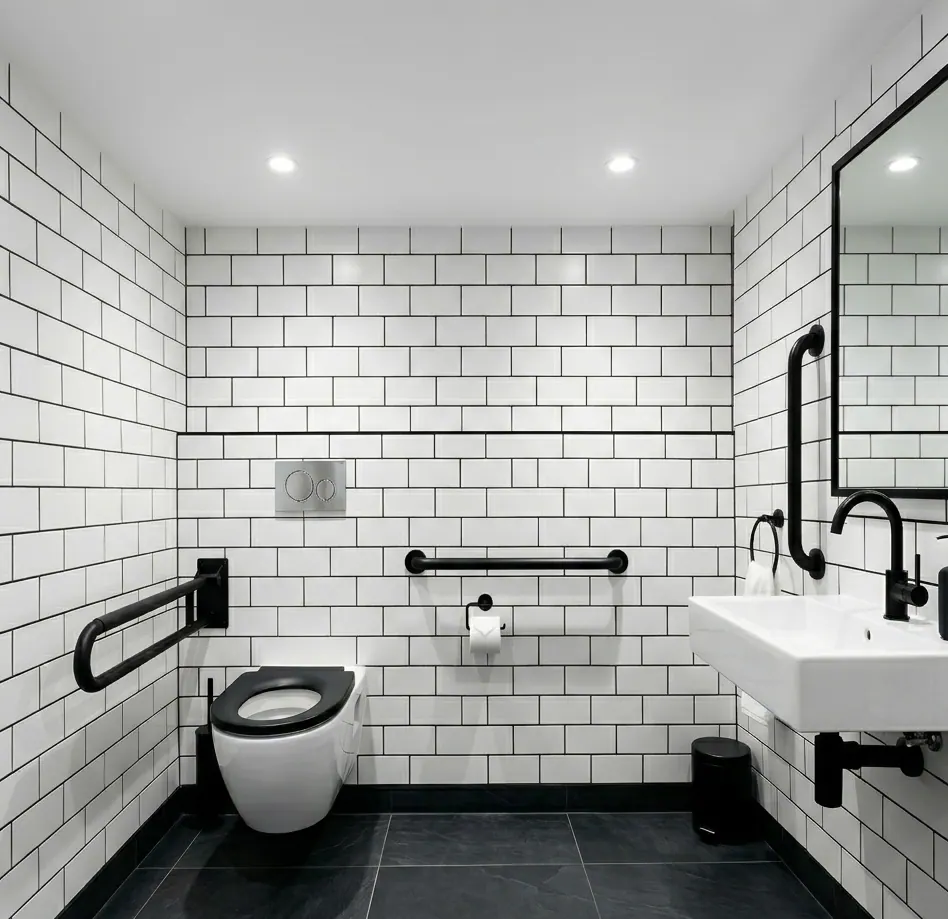
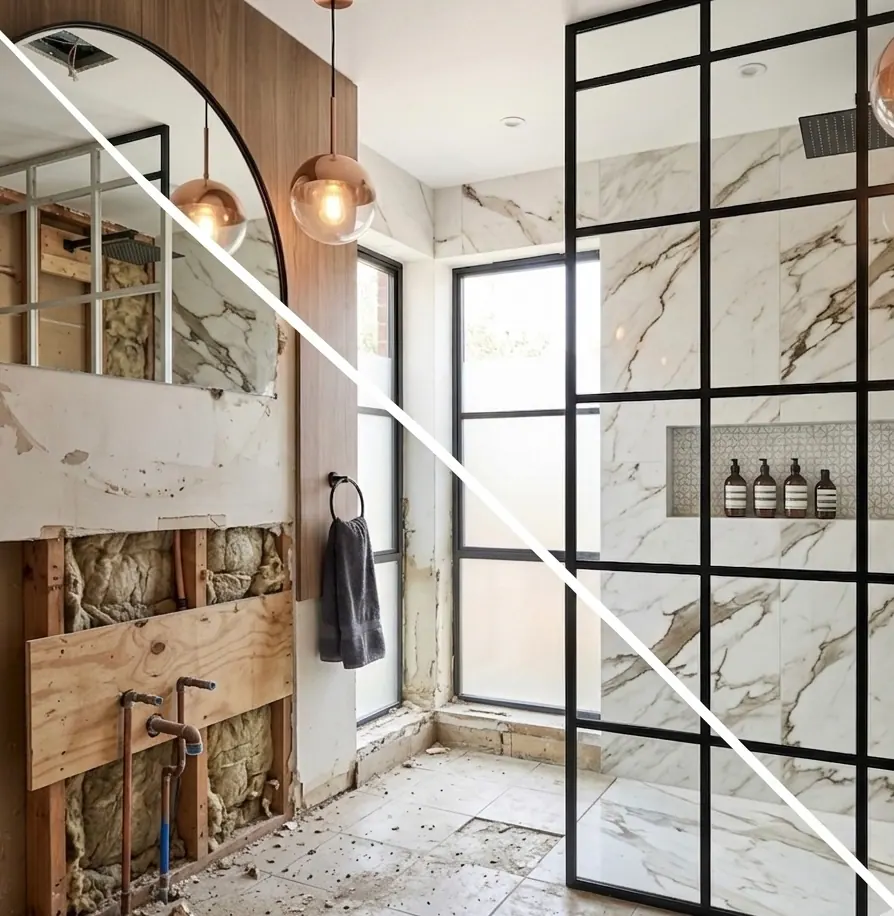
A bathroom in one of the original airship-workers' cottages needs a different approach from a new New Cardington build. A new bathroom changes how you start and end every day. Whether you're updating a tired suite, converting a spare room into an en-suite, or gutting the whole thing and starting from scratch — it can all be handled.
Shortstown has a real mix of properties, and that matters when it comes to bathrooms. The Victorian terraces in Harrowden often have original plumbing that needs careful updating. The 1930s semis around the town centre usually have boxed-in pipes and awkward layouts. And the new builds on Wixams and New Cardington might look modern but sometimes have snagging issues that need sorting before a refit.
The oldest part of Shortstown was laid out as a planned garden village, so we're used to its distinctive 1910s and 1920s houses. All of it gets handled. Every property gets a proper survey before you're quoted, so the price you're given is the price you pay. No extras, no surprises halfway through.
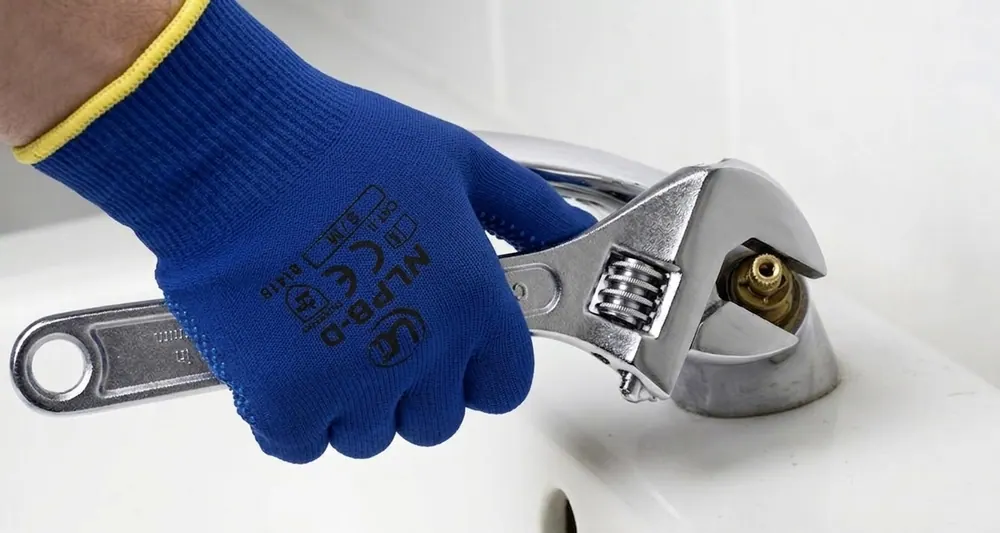
Plenty of Shortstown's mid-century homes have dated bathrooms that are well overdue a full refit. This is a hard water area, which means limescale builds up on taps, shower heads, and inside pipes faster than average. Limescale-resistant fittings are always recommended, and your fitter can advise on water softener options if you want to protect your new bathroom long-term.
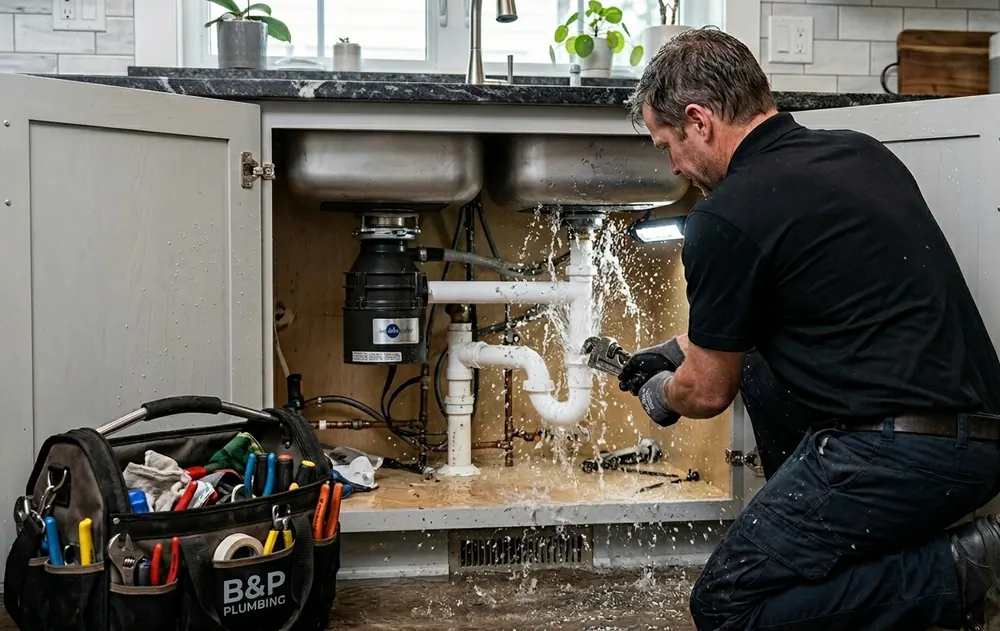
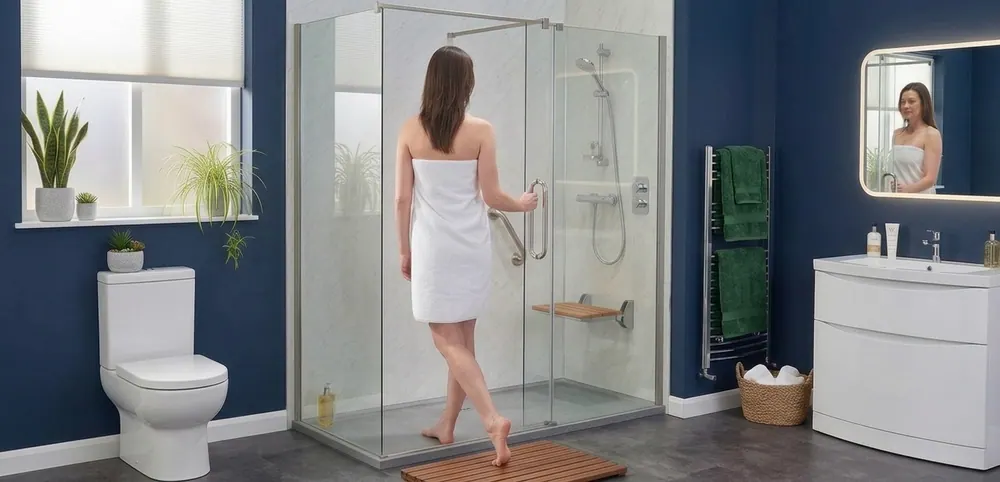
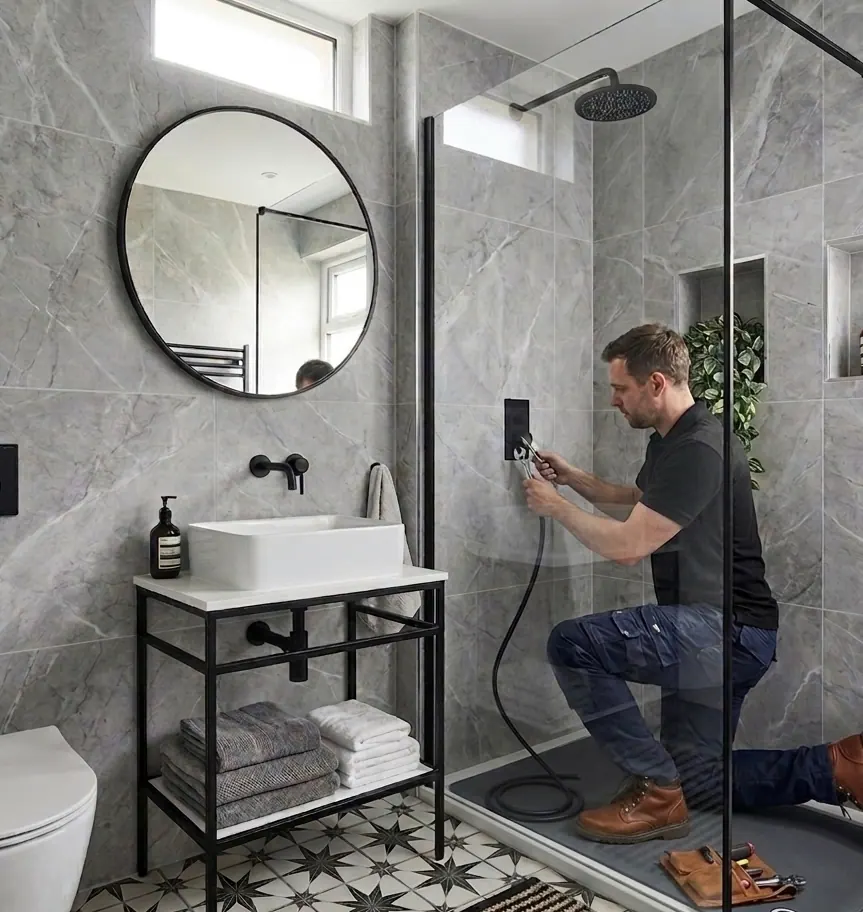
From compact en-suites in the new estates to family bathrooms in the older cottages, each job is treated on its own terms. The local fitter we connect you with handles the whole project, from initial survey through to final tile. Your fitter coordinates the plumbing, electrics, tiling and fixtures in sequence, so there's no chasing up separate trades and no surprise charges at the end. Across Shortstown the fitters cover suite swaps in the original 1920s airship-station houses, full renovations where those first fit-outs have never been touched, en-suite installs in larger properties on Wixams and Fenlake, and accessible bathroom conversions in the surrounding villages where older residents are determined to stay in their own homes.