Is a Water Softener Worth It in a Hard Water Area?
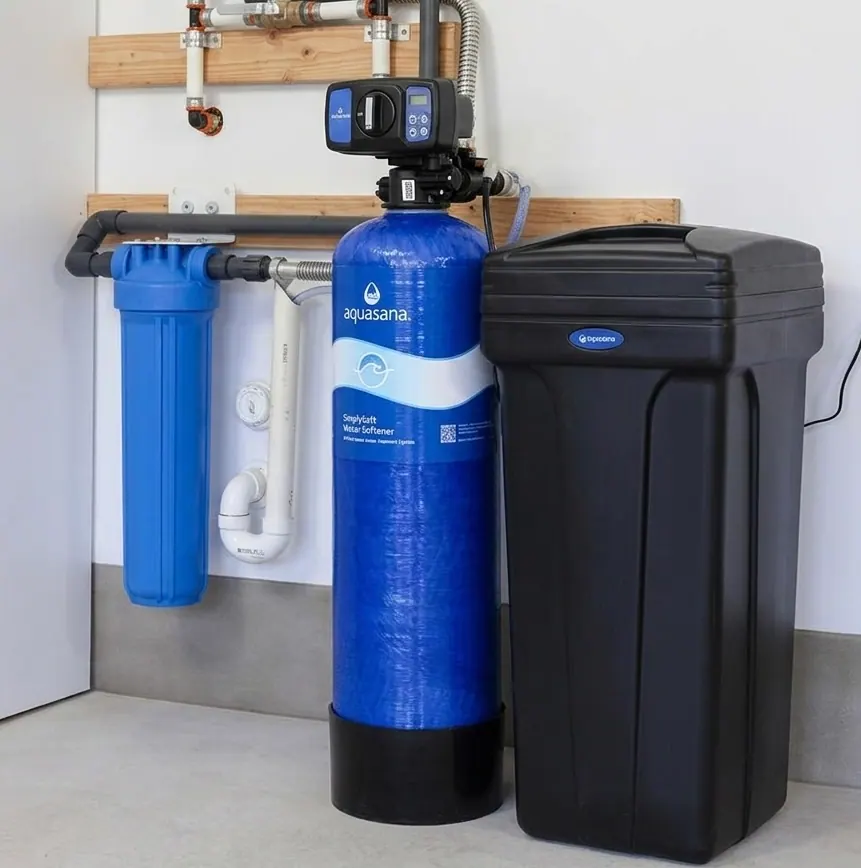
If you live somewhere with hard water, you’ve probably wondered whether a water softener is actually worth the outlay, or just a nice-to-have. Here’s the honest answer: in a hard water area, and if you’re staying put for a few years, a softener usually pays for itself — typically within 2 to 4 years. Below is what it costs, what hard water is quietly costing you, and the payback maths, so you can decide with real 2026 numbers rather than a sales pitch.
The Quick Answer
It comes down to two things: how hard your water is, and how long you’re staying. In a very hard water area (much of East Anglia and the South East), a softener is one of the better long-term home investments you can make. In a soft water area, it isn’t worth it. And if you’re moving within a year or two, you probably won’t see the payback. For most people in a hard water area staying put, though, the maths works.
What a Water Softener Costs
| Item | Typical 2026 cost |
|---|---|
| Softener unit (salt-based) | £400 – £1,500 (premium to £2,000+) |
| Professional installation | £150 – £300 |
| Salt (running cost) | £70 – £160 / year |
| Optional annual service | £50 – £100 / year |
So most people are looking at £600–£1,800 installed, then £70–£160 a year in salt (electricity use is minimal). A softener fits at the point your mains water enters the house — usually under the kitchen sink or in a utility — and needs a nearby drain and, for electric models, a socket.
What Hard Water Costs You
The reason a softener pays back is that hard water is quietly costing you money every year, whether you notice it or not. Estimates put the total at £300–£440 a year for a typical hard water household, made up of:
- A less efficient boiler. Just 1.6mm of limescale on a heat exchanger can raise heating costs by around 12% — up to about £200 a year in a very hard area. Scale also shortens a boiler’s life and causes early part failures. (More on this in our guide to what hard water does to your boiler.)
- Shorter appliance and fitting life. Kettles, dishwashers, washing machines, taps and shower cartridges all wear out faster when they’re furring up with scale.
- More cleaning products. Extra detergent, soap, descaler and limescale remover — hard water makes you use more of all of it.
The Payback Maths
Put the two sides together and it’s straightforward. If hard water is costing you £300–£440 a year, and a softener costs £600–£1,800 installed and £70–£160 a year to run, your net saving is roughly £150–£300 a year once salt is accounted for. That gives a typical payback of 2 to 4 years — and after that, it’s money in your pocket, plus softer skin, cleaner glassware and a boiler that lasts longer.
The single biggest saving
The boiler is where a softener earns its keep. Protecting a £2,000+ boiler from scale — and clawing back that ~12% efficiency loss — is worth more than all the descaler you’ll never buy again. If you’re due a new boiler anyway, fitting a softener at the same time is the cheapest it’ll ever be to install.
When It’s Worth It (and When It Isn’t)
Worth it if:
- Your water is hard or very hard (above ~200 mg/L, and especially above 300 mg/L). Much of East Anglia — on Anglian Water’s chalk supply — is well into the very hard band, some of it over 400 ppm.
- You’re staying in the home 3+ years, so you see the payback.
- You’re fed up with scaled kettles, spotty glasses, furred shower heads and rising gas bills.
Less worth it if:
- You’re in a soft water area — there’s little scale to prevent.
- You’re moving soon, so you won’t be there for the payback (though it can be a small selling point).
- You have nowhere sensible to fit it — though most homes can be made to work.
One health note: softened water has a little added sodium, so many people keep one hard, unsoftened tap at the kitchen sink for drinking and cooking. A good installer will set this up as standard.
What to Look For
- Go salt-based. Salt-based ion-exchange softeners are the ones that genuinely remove hardness. Magnetic and electronic “conditioners” are cheaper but the evidence for them is mixed — they don’t actually soften the water.
- Metered, not timed. A metered softener regenerates based on how much water you’ve used, which saves salt versus an older timed model.
- Size it to your household. Too small and it regenerates constantly; too big and you’ve overpaid. A good fitter sizes it to your family and water use.
- Keep the drinking tap hard — as above.
The Short Version
In a hard water area, a water softener usually pays for itself in 2–4 years and saves money after that. Budget £600–£1,800 installed and £70–£160 a year in salt, against the £300–£440 a year hard water is quietly costing you — most of it in boiler efficiency and appliance wear. Go salt-based and metered, keep a hard tap for drinking, and if you’re replacing a boiler, fit the softener at the same time. In a soft area, or if you’re moving soon, it’s not worth it.