

Outside Tap Installation in Great Dunmow
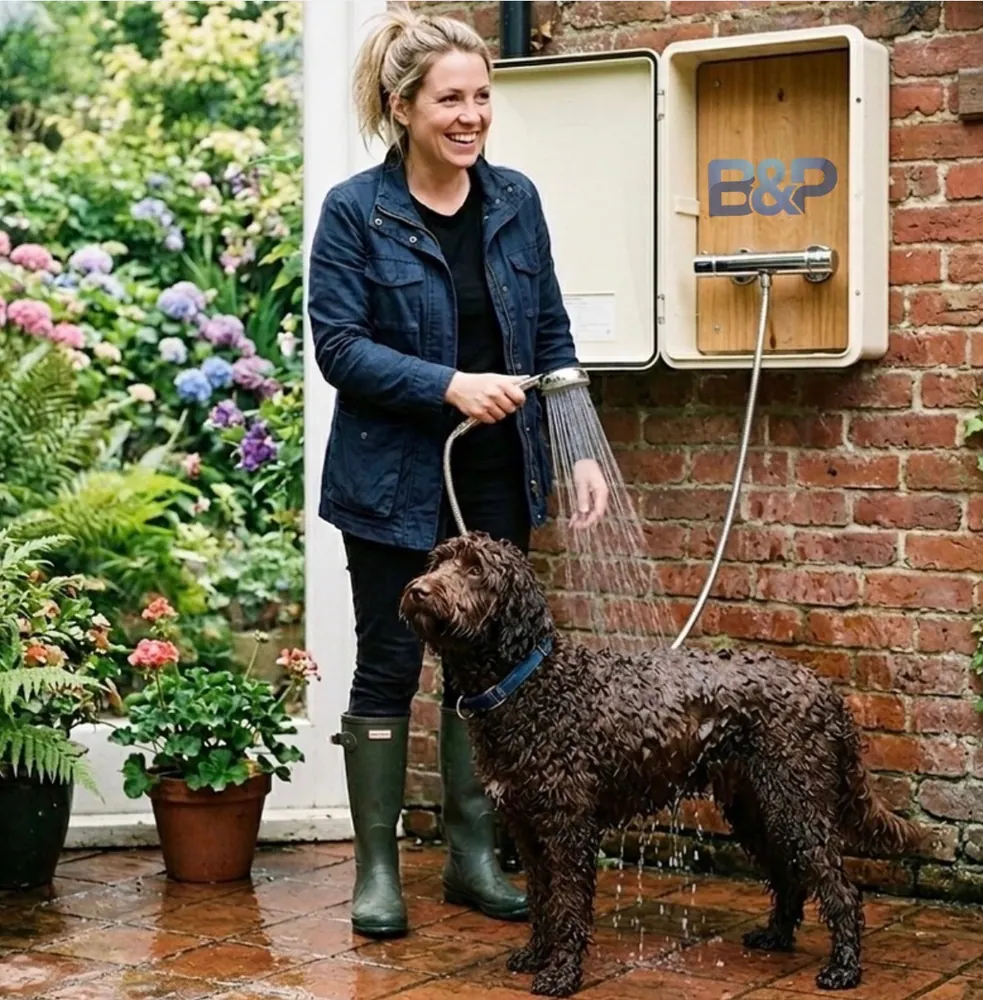
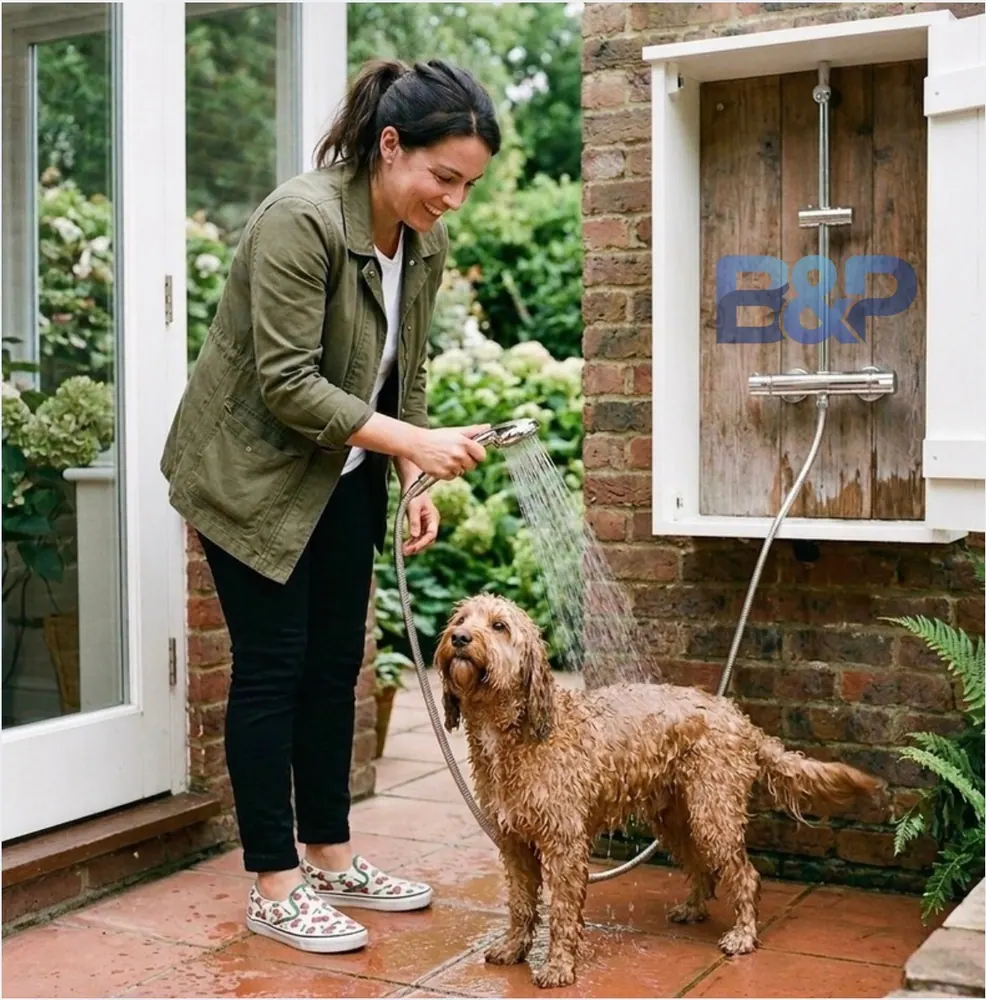
You never think about an outside tap until the day you need one and it isn't there — washing the car out of a bucket, threading a hose through the kitchen window, filling the paddling pool from the bathroom basin. Fitting one is a quick job that quietly makes the whole year easier.
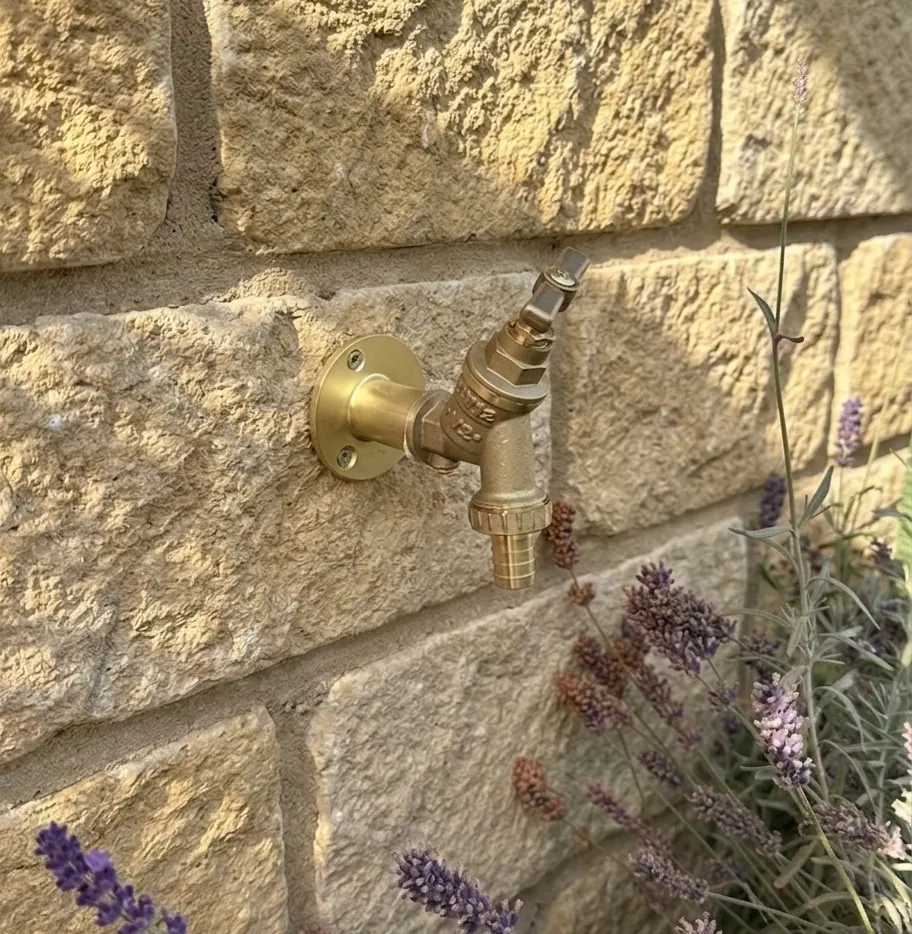
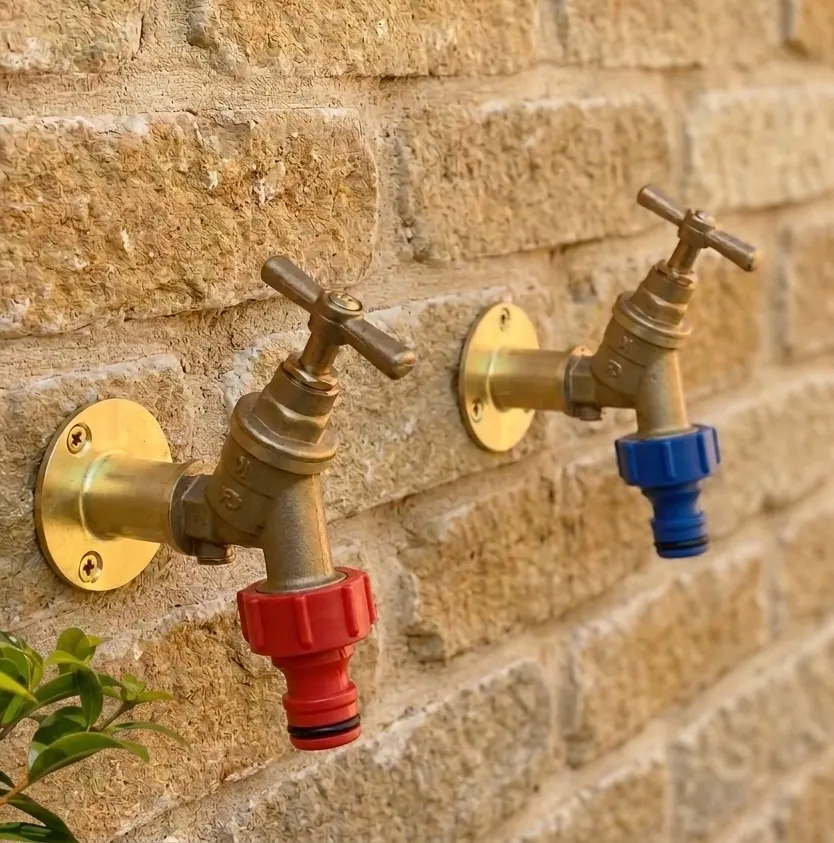
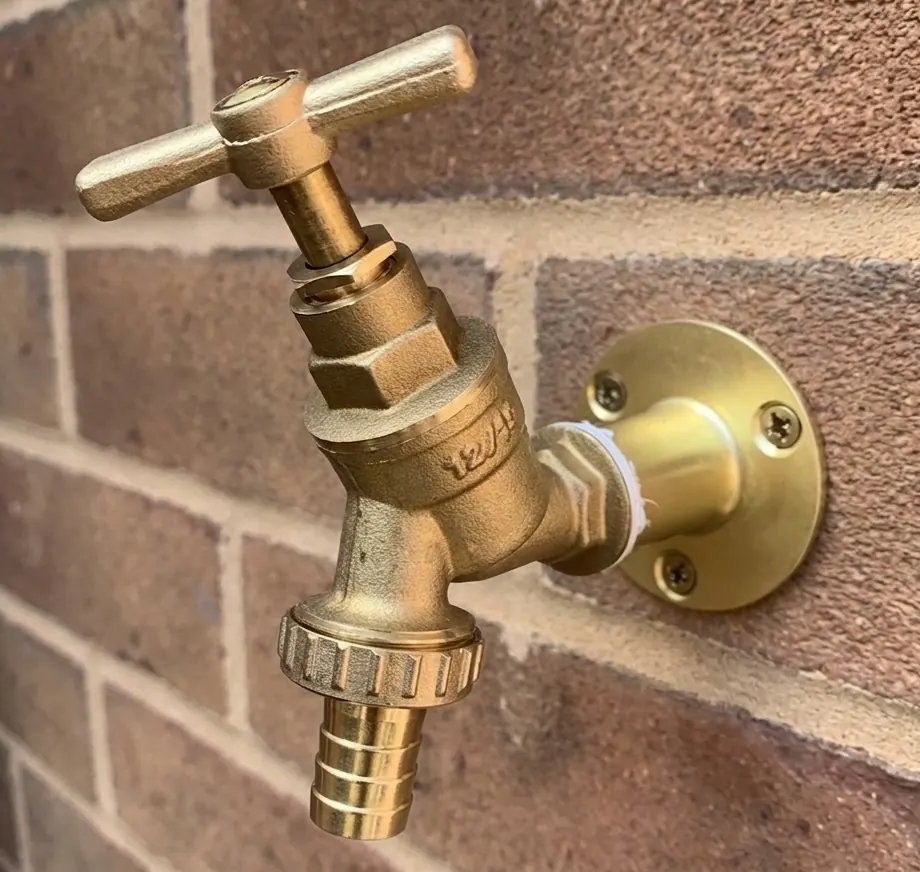
The work is straightforward: your plumber tees off the internal cold supply, cores neatly through the wall, and fits the tap with a double check valve for backflow prevention — a water regulations requirement, not an optional extra. Tidy, and done without turning your day upside down.
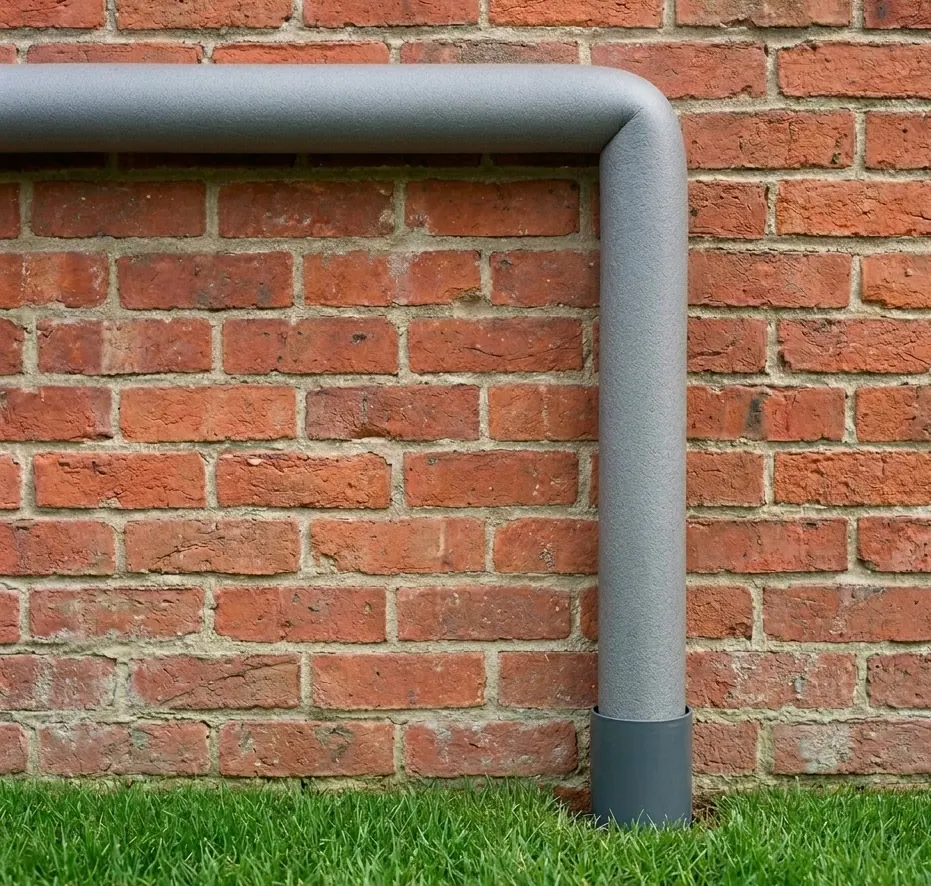
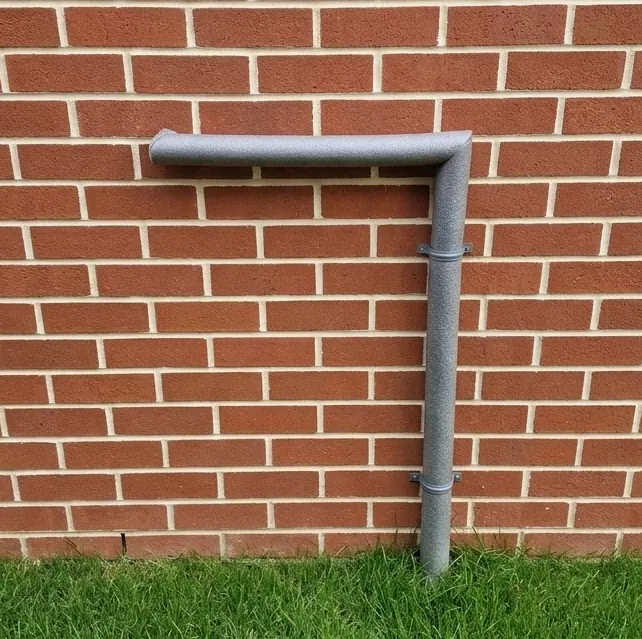
On most Great Dunmow homes the tap sits happily on the kitchen wall or garage side, closest to the existing pipework. For a bigger plot the run can be carried out to a boundary wall or outbuilding. An indoor isolation valve goes in as standard so you can shut off and drain the line before winter, with lagging wherever the pipe crosses an unheated void.
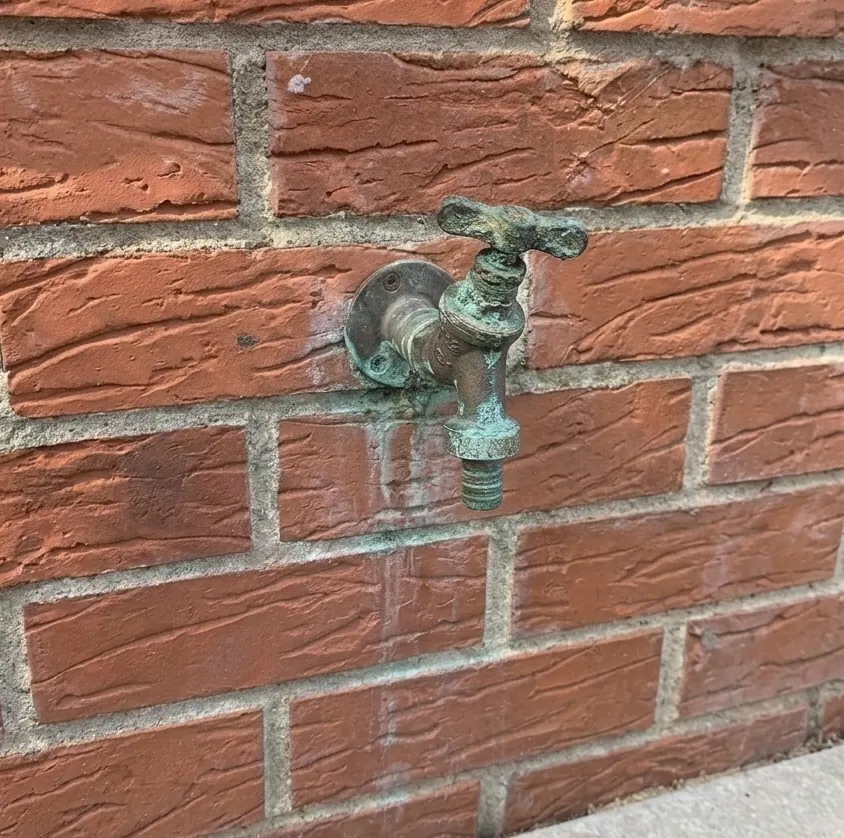
Essex winters aren't the harshest in the country, but cold snaps still catch out outside taps that haven't been properly drained down. Water sitting in the spout can freeze, expand, and split the brass body or the copper pipe behind the wall — usually first noticed when the next thaw produces a leak inside the kitchen wall. Your plumber always fits an isolation valve on the indoor side of the run so you can shut off and drain the supply before December, plus pipe lagging on the indoor run where it crosses unheated voids.
For larger Great Dunmow gardens around Woodlands Park or the surrounding villages, we can run the supply further down the side of the property to put the tap closer to where it's actually needed — near a vegetable patch, greenhouse, or boundary wall. We can also fit a hose union connector on the spout so a garden hose clips on without an adaptor, and double-tap blocks for properties that want one tap for the hose and a separate one for filling watering cans.