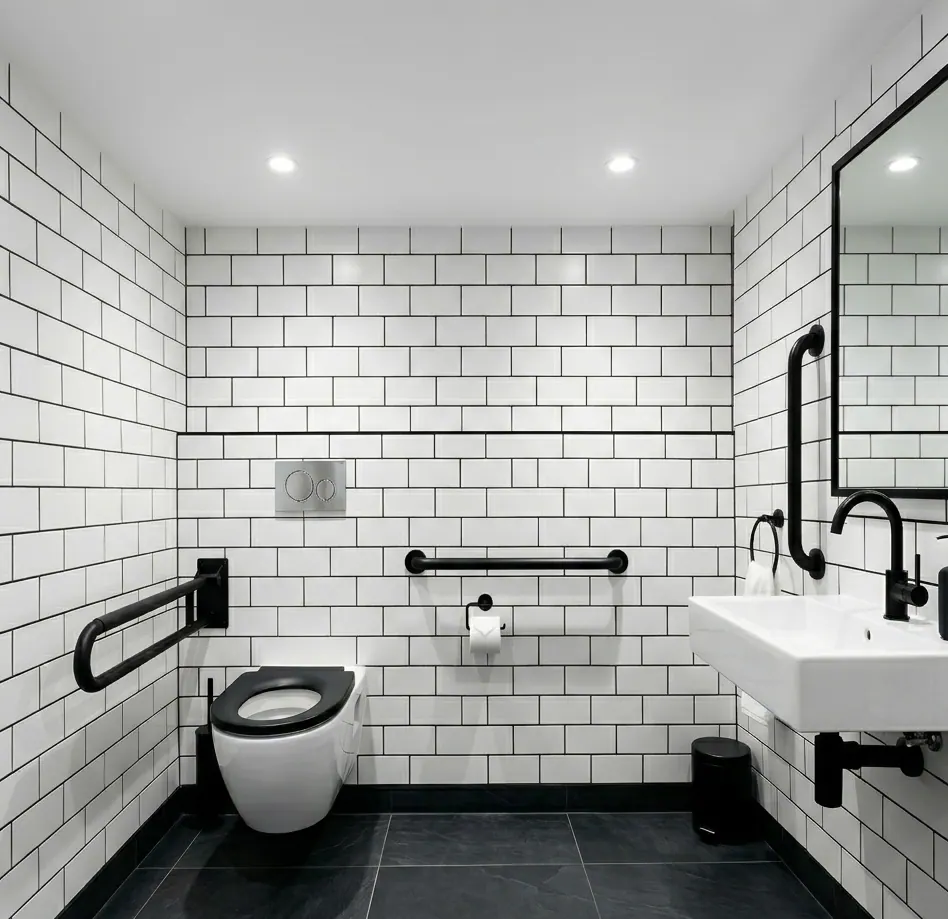


Wet Room Installation in March
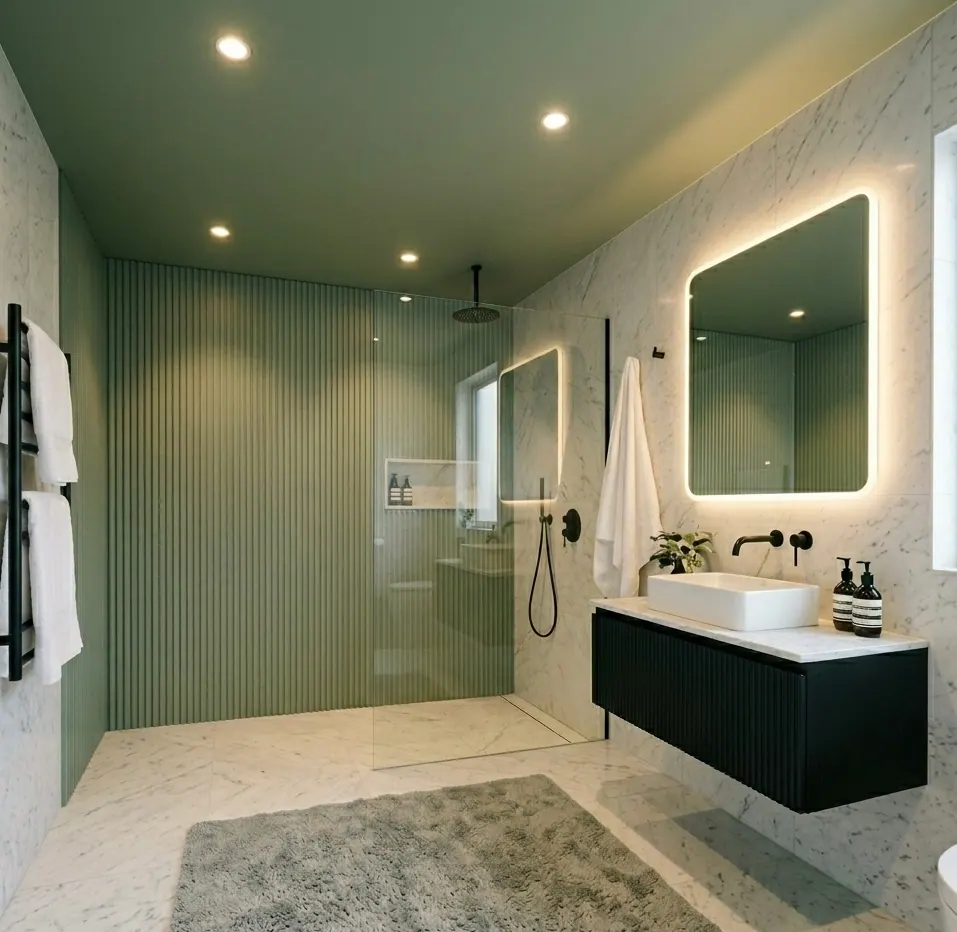
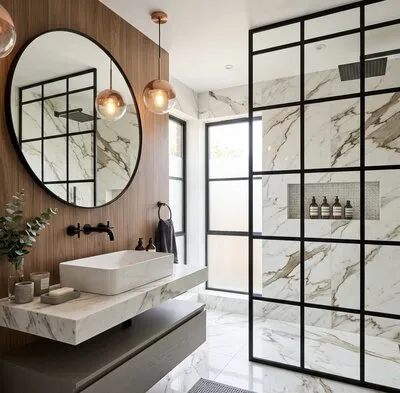
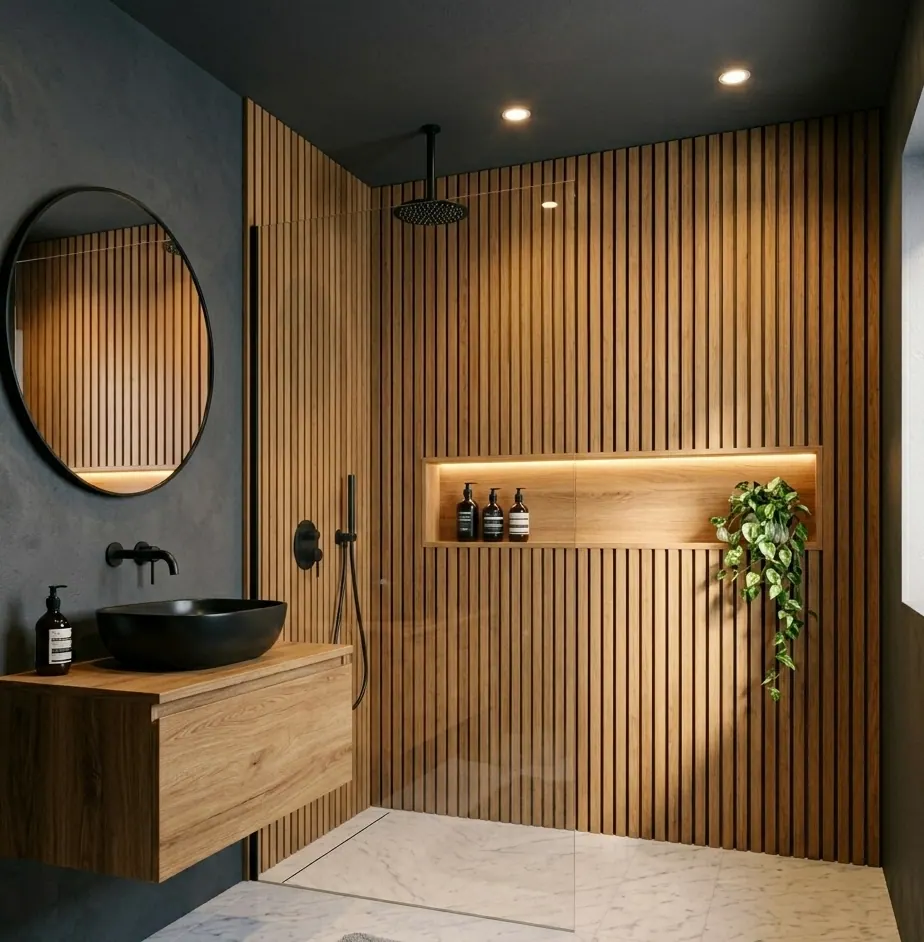
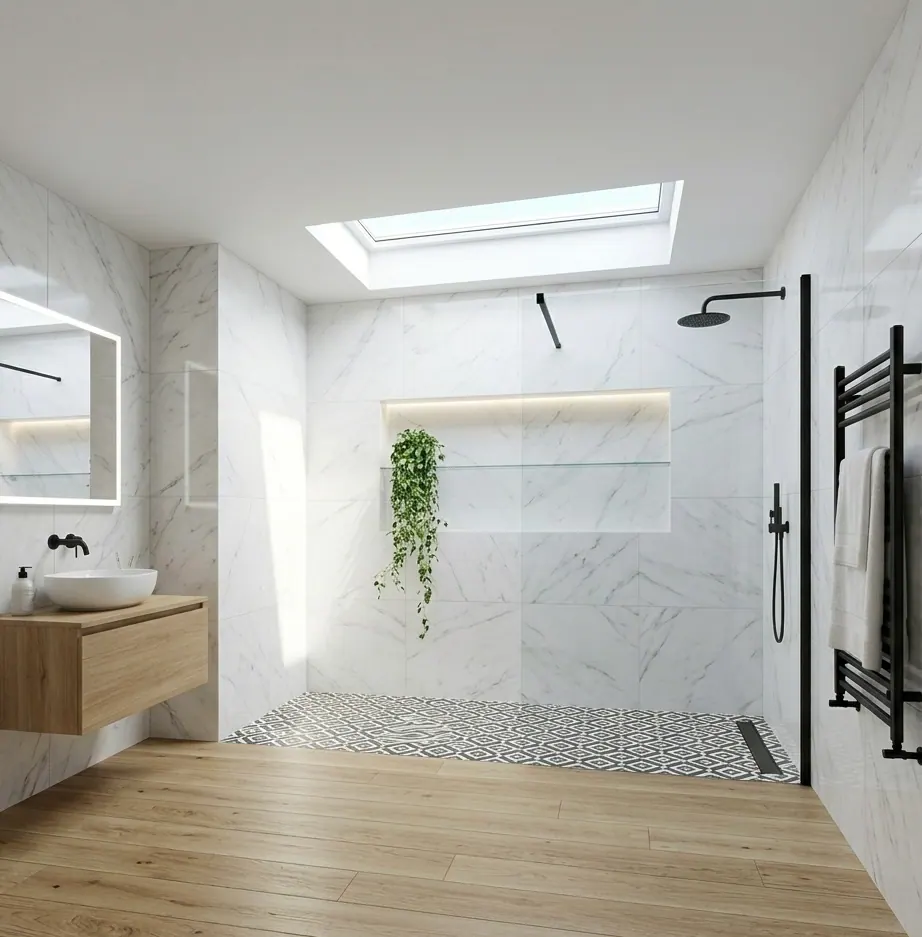
March grew up as a railway town around Whitemoor yard, and the dense Victorian terraces that housed the railway workers still make up much of the older stock. Wet rooms have gone from a luxury feature to one of the most requested bathroom upgrades. The appeal is obvious — a clean, open shower space with no tray or curtain, easy to clean, and a look that makes even a small bathroom feel twice the size. They're also the most practical solution for anyone with mobility concerns, removing the step-over that makes a traditional shower or bath difficult.
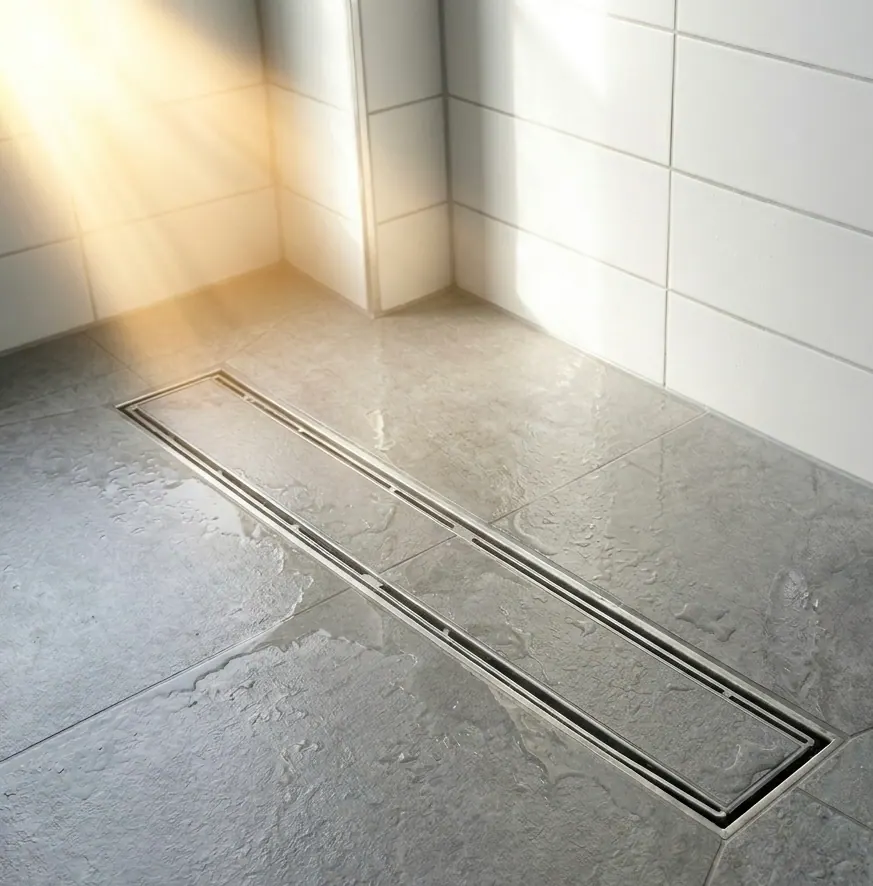
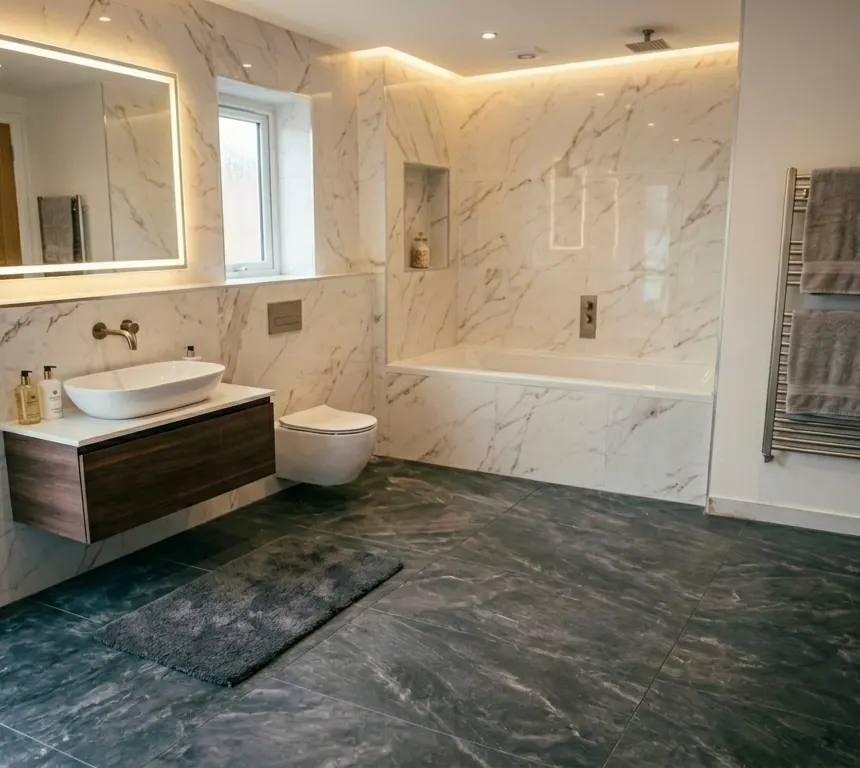
The old course of the River Nene runs right through the middle of the town, and the riverside and low-lying streets carry their own damp and drainage quirks. The properties across March suit wet rooms in different ways. The older homes in West End and the town centre often have ground-floor bathrooms with solid floors — ideal for cutting a gradient and installing a linear drain. The newer builds on Eastwood work well for en-suite wet rooms, where the compact space benefits from the open design. Wet rooms also work well in loft conversions, extensions, and garage conversions where the bathroom is being built from scratch.
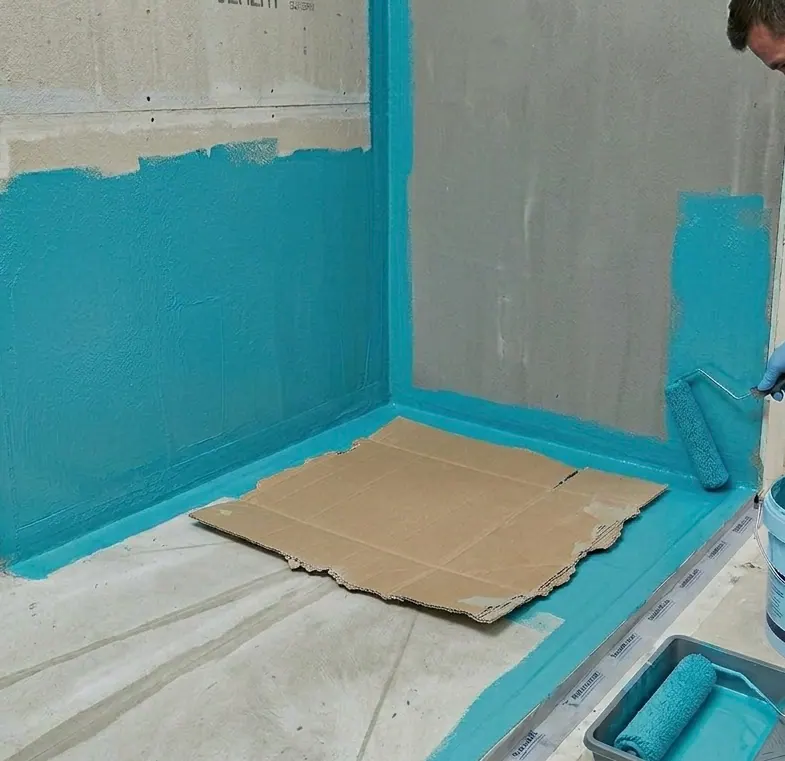
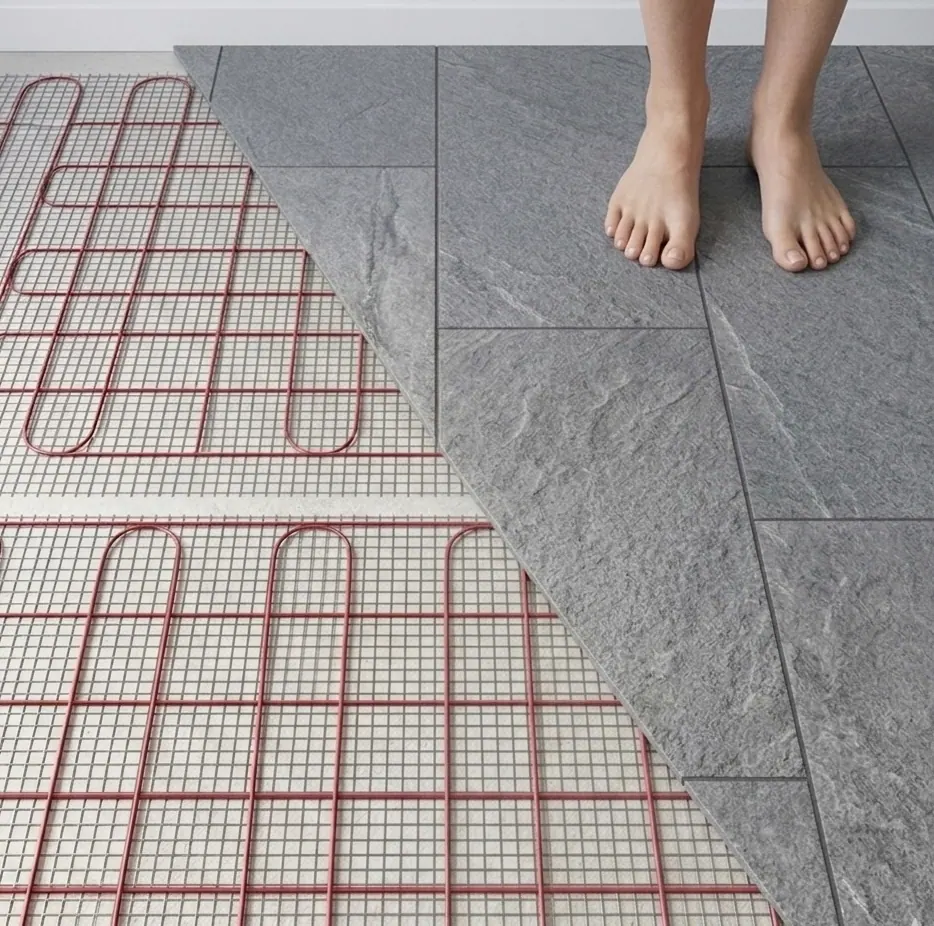
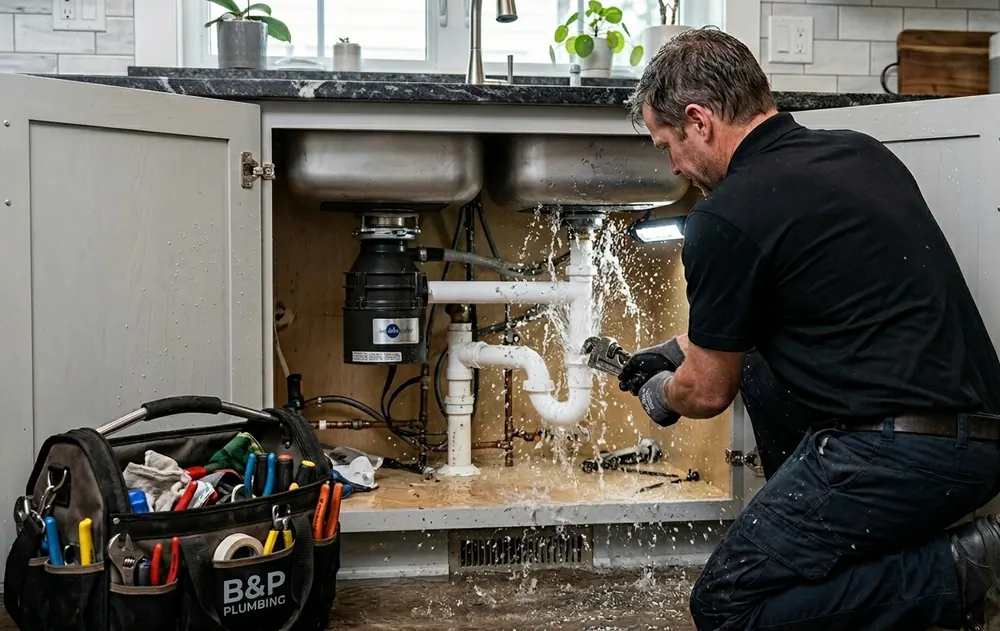
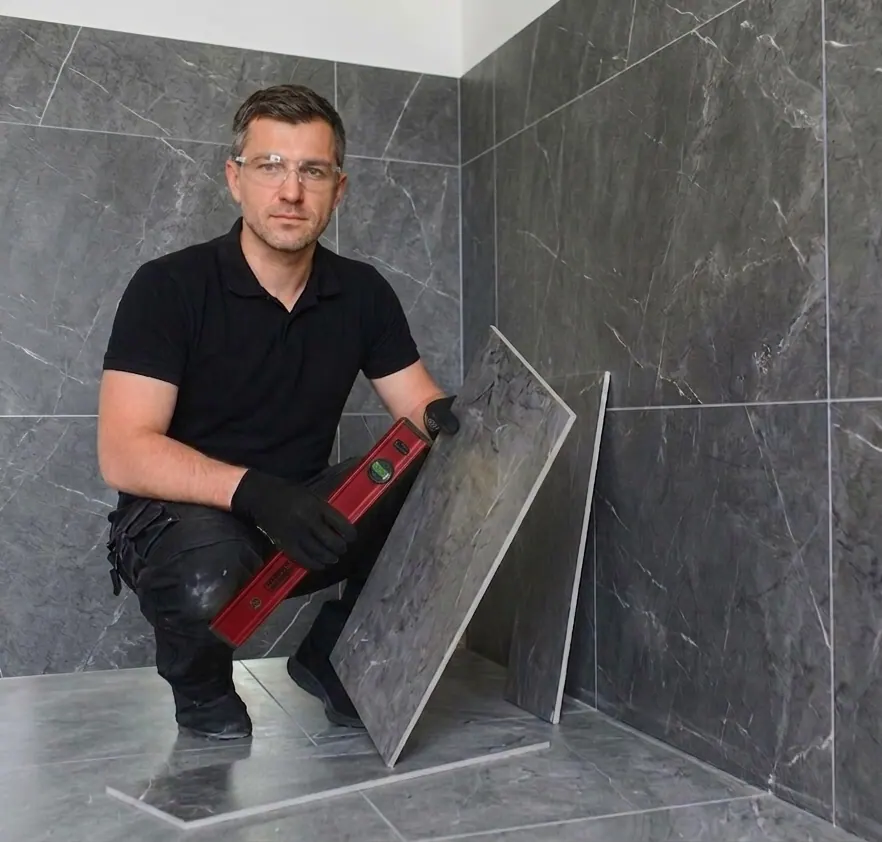
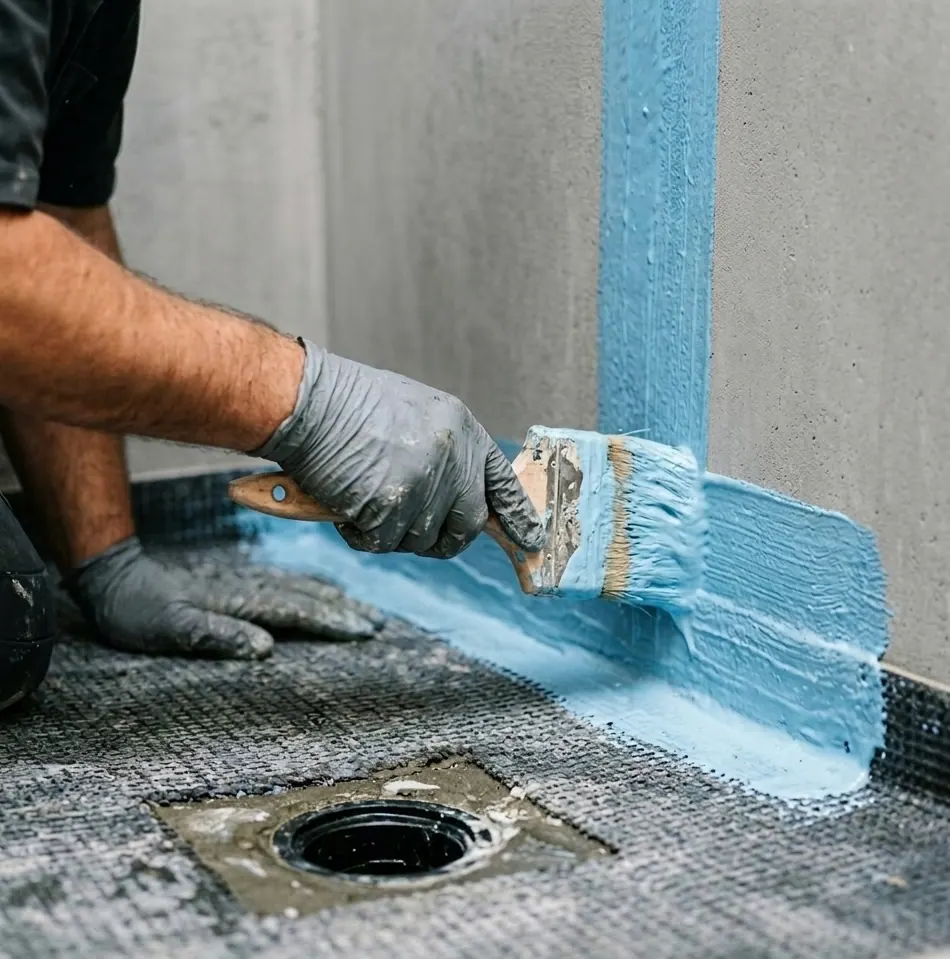
In the tight terraced streets near the centre you still find lead-era pipework and tired stopcocks that were never meant to last this long. The difference between a wet room that works and one that causes problems comes down to the tanking. A full liquid membrane system waterproofs the entire floor and walls to at least 1.2 metres. Every corner joint, pipe penetration, and floor-to-wall junction gets sealed with reinforcing tape and additional membrane coats. Done properly, with no corners cut, a tanked wet room is as watertight as a swimming pool.