


Central Heating in Cambridge
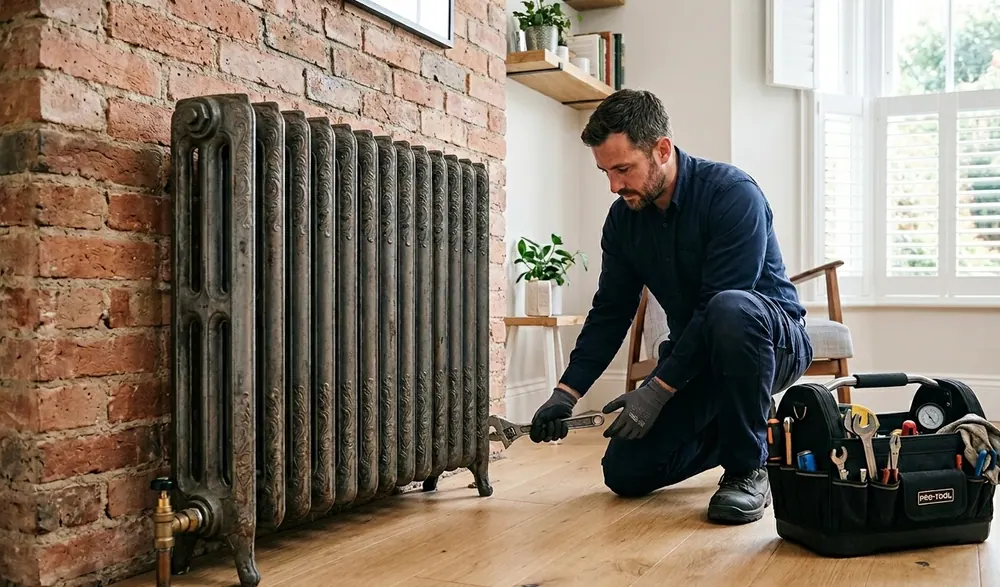
Cambridge's housing stock runs from medieval college-linked conservation properties to Victorian Mill Road terraces, 1930s Cherry Hinton semis, post-war Arbury estates, and brand-new Eddington builds — and no two heating systems here are quite alike. Heating systems vary massively across Cambridge, and the age of the property tells you a lot about what you're likely to find. The older homes in Newnham and the town centre often have ageing radiators that have been on the same circuit for decades — undersized for the rooms they're trying to heat, clogged with sludge, and connected to pipework that's seen better days. Some still have gravity-fed systems with a header tank in the loft, which limits what you can do without upgrading the boiler and pipework together.
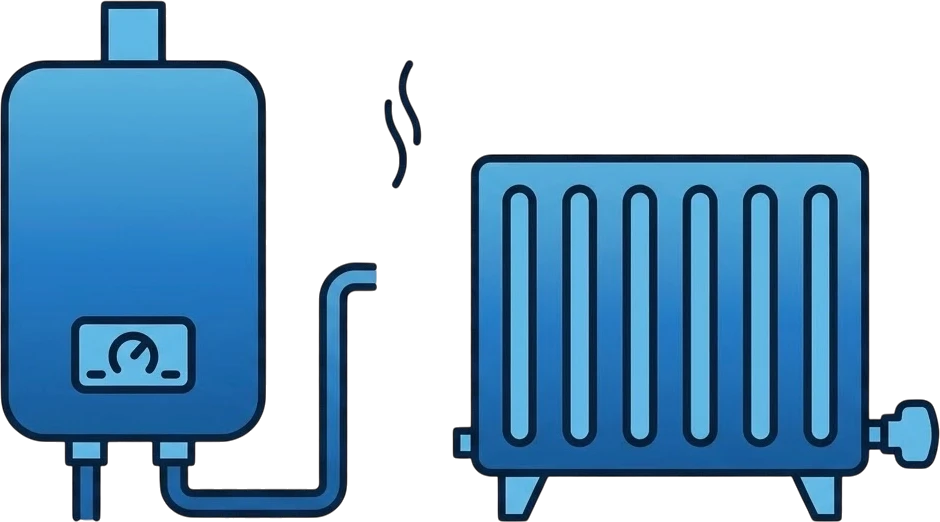
The newer estates on Trumpington Meadows and Eddington have modern sealed systems with pressurised circuits, but they're not immune to problems either. New systems sometimes need balancing when certain rooms heat faster than others. And even on a modern sealed system, the hard water in this area accelerates limescale buildup inside the heat exchanger and pipework, gradually reducing efficiency.
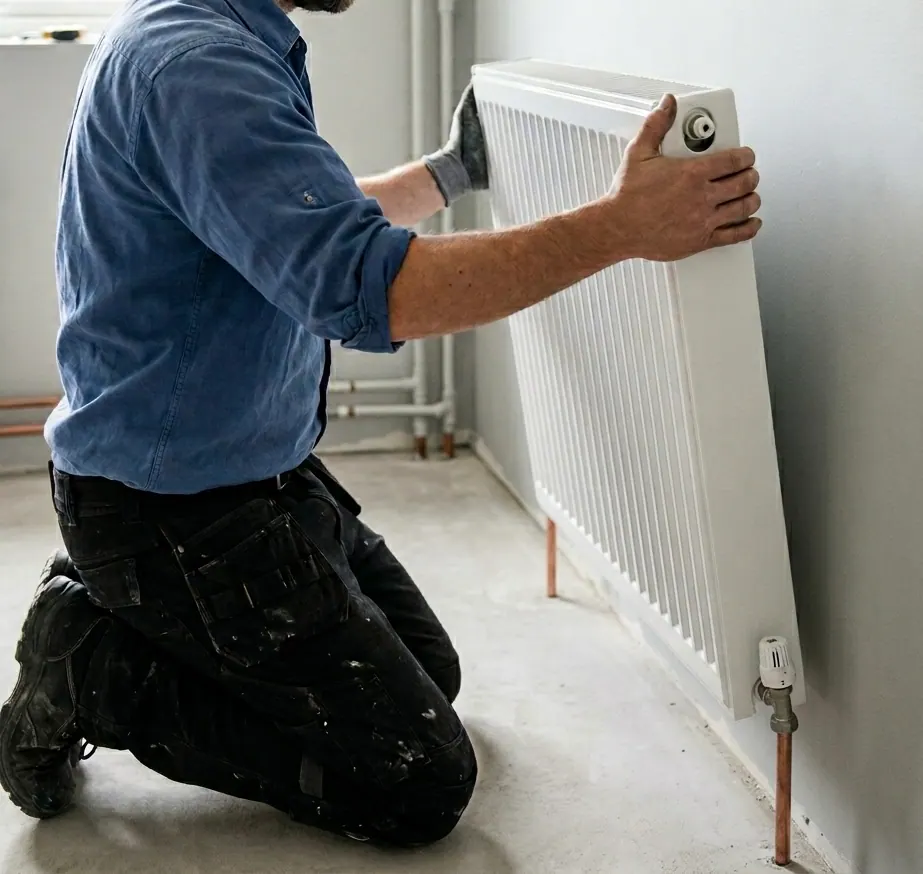
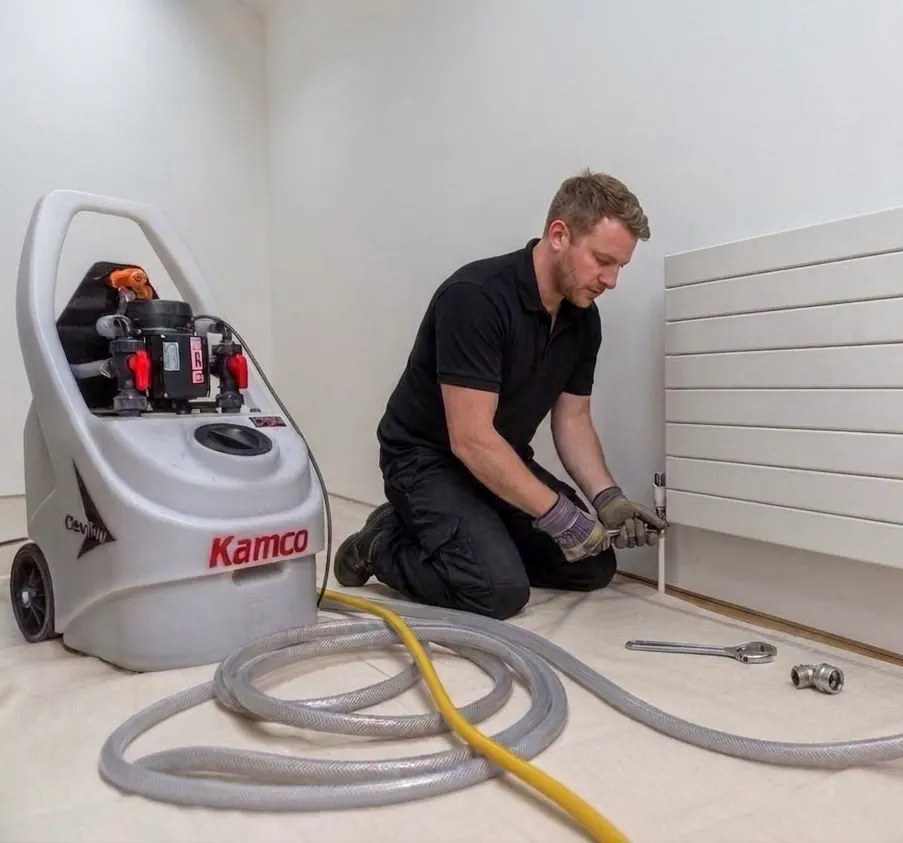
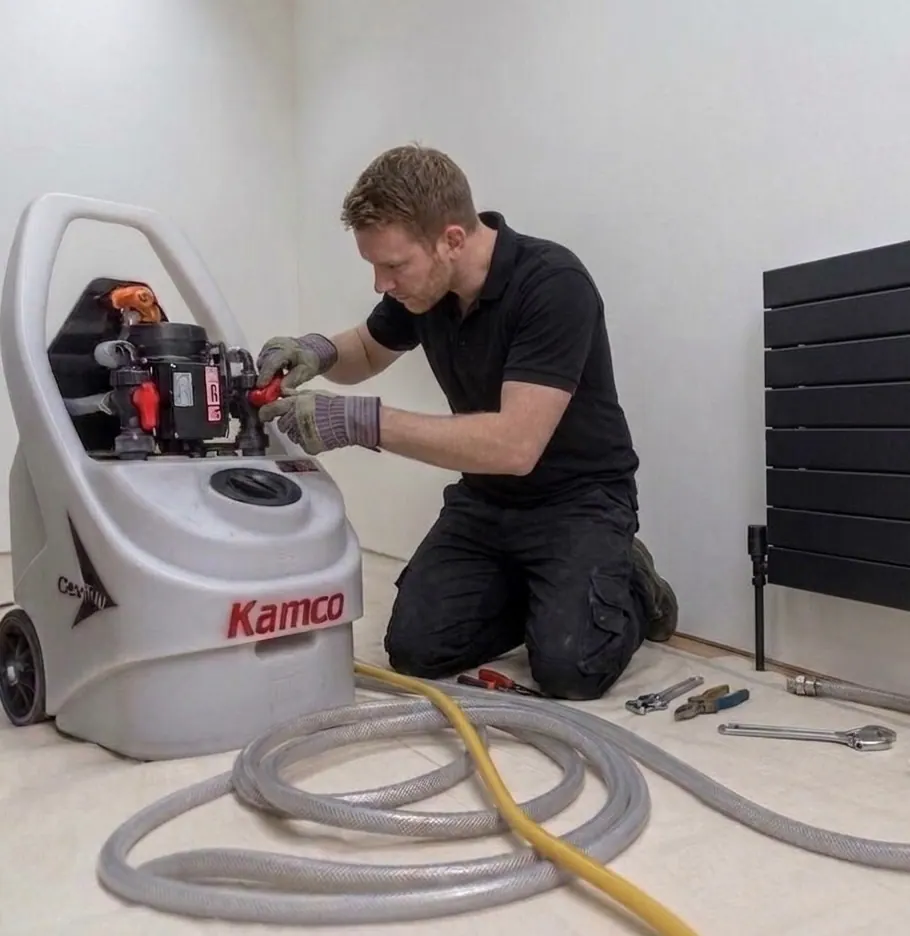
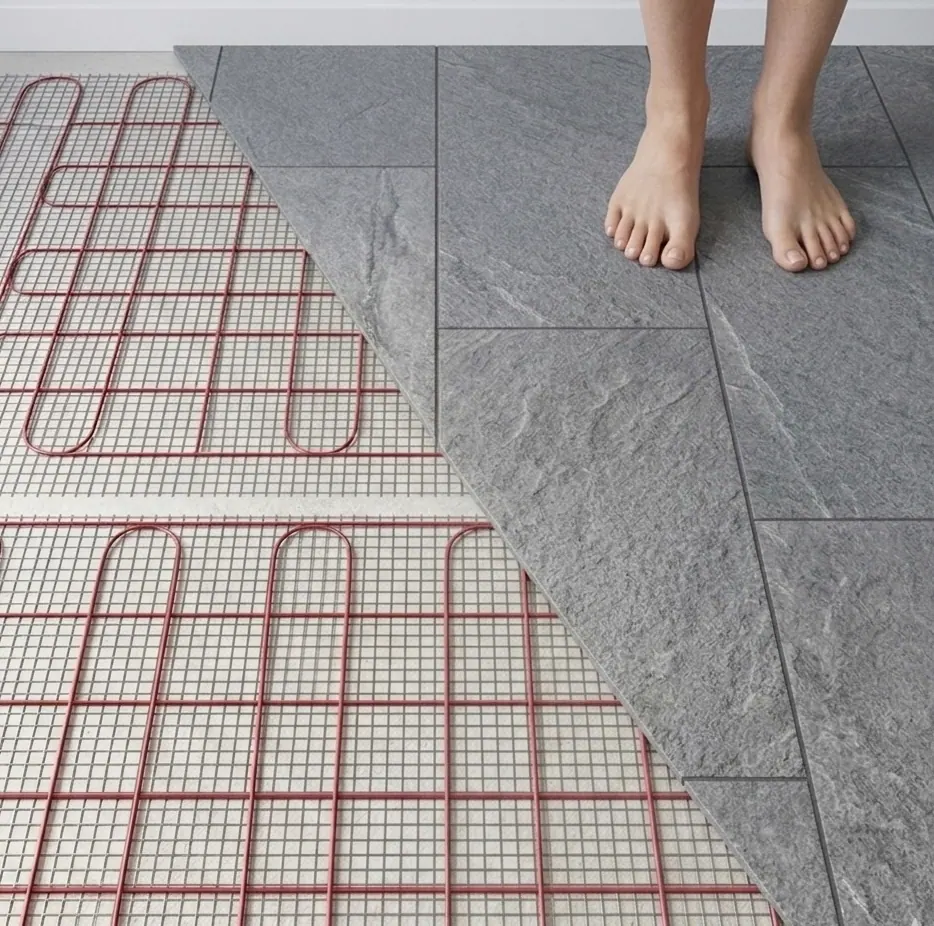
Cambridge Water's chalk-aquifer hardness is what drives most of the limescale sludge in Cambridge heating systems, and it's why power-flush call volume is disproportionately high here compared to soft-water regions. A power flush makes a remarkable difference to an underperforming system — clearing the sludge that causes cold spots, banging pipes, and uneven heating. For homes that need more heat output, additional radiators are installed, existing ones upgraded, or underfloor heating laid in extensions and ground-floor renovations. Smart thermostats are also wired in to give you proper control over when and where your heating runs. Gas Safe registered engineers.