How Much Does a Wet Room Cost to Install in 2026?
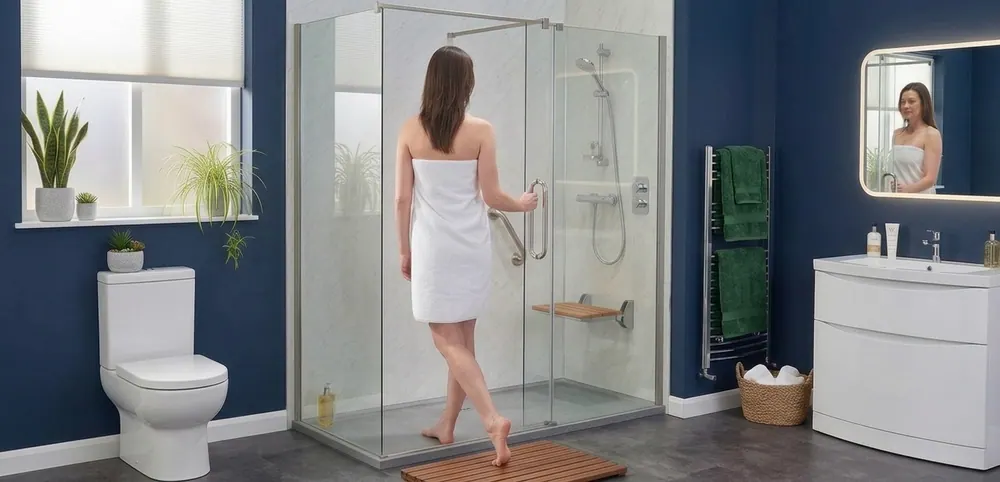
A wet room is one of the nicest upgrades you can make to a home — open, easy to clean, and brilliant for accessibility — but it’s also one where quotes vary wildly, which makes it hard to know what’s fair. So here’s the straight answer: most wet rooms cost between £5,000 and £10,000 in 2026, with the average landing around £8,000. Below is the full breakdown — by size, what’s actually in the price, and how a wet room compares to a cheaper walk-in shower — using real 2026 UK figures.
The Quick Answer
Wet room prices cover a wide range because “a wet room” can mean a small ensuite conversion or a full bathroom rebuild. Rough 2026 UK figures:
| Project | Typical fitted price |
|---|---|
| Basic small ensuite conversion | £4,000 – £6,000 |
| Standard wet room (small–medium) | £5,000 – £10,000 |
| Large or complex (structural/drainage work) | £10,000 – £14,000+ |
| Per square metre (rough guide) | £1,500 – £3,500 / m² |
The average project sits around £8,000. If you’re quoted well under £4,000 for a proper tanked wet room, be cautious — the most likely corner to cut is the waterproofing, and that’s the one thing you can’t afford to get wrong.
Where the Money Goes
Unlike a standard shower, a wet room is a small building job. Here’s roughly what makes up the bill:
- Tanking (waterproofing): £1,000–£2,500. The whole floor and lower walls are sealed into a watertight “box”. This is the heart of a wet room — and the single most important line on the quote.
- Floor preparation and the drain. The floor is built up with a gentle slope (a “former”) so water runs to the drain. Timber floors usually need reinforcing; concrete floors may need cutting for the waste — both add cost.
- Tiling and finishes. Wet rooms are fully tiled floor and walls, so tile choice makes a real difference — porcelain and large-format tiles cost more to buy and to fit.
- Fittings. Shower valve, screen (if any), drainage, plus any basin and toilet if it’s a full room.
- Labour: 30–40% of the total. A wet room is skilled, multi-trade work — typically several days on site — which is why labour is a big share of the price.
Wet Room vs Walk-In Shower
This is the question worth asking before you commit, because it’s where the biggest savings are:
- Walk-in shower with a tray: £1,500–£4,500. Only the tray area is waterproofed, so it’s far quicker and cheaper. Great if you just want an open, screen-and-tray shower.
- Level-access (tanked) walk-in shower: £5,000–£10,500. A halfway house — a low, flush shower area that’s tanked like a wet room but not the whole floor.
- Full wet room: £5,000–£10,000+. The entire room is tanked and tiled into one sealed space.
The reason a wet room costs more is simple: a tray shower waterproofs one small area; a wet room waterproofs everything. If budget is tight and you don’t need the full open look, a good walk-in shower gives you most of the benefit for a lot less. If you want the space, the clean lines, or step-free access, the wet room is worth it.
What Affects the Price
- Room size — more floor and wall to tank and tile.
- Your existing floor — timber floors need building up and reinforcing; concrete may need cutting for drainage. This is one of the biggest swing factors.
- Drainage — if the waste has to be moved or re-routed, that’s more work.
- Tiles and finishes — from budget ceramic to natural stone, the range is huge.
- Where you live — London and the South East can run 30–50% above national rates for the same job.
The waterproofing is everything
A wet room lives or dies on its tanking. Done properly, it’s watertight for decades; done cheaply, water finds its way into the floor and walls and the repair costs far more than doing it right first time. When you compare quotes, ask exactly what waterproofing system they use and how the floor is built up — a good fitter will happily explain it.
A Note on VAT Relief
If the wet room is being installed to help a disabled or chronically ill person bathe more safely, the work can often qualify for 0% VAT relief — a genuine saving on the total. It’s a common reason people choose a level-access wet room in the first place. Ask your installer whether your project qualifies; a good one will know how it works.
How to Get It Right (and Keep the Cost Sensible)
- Get two or three quotes — for the whole job, itemised, so you can see what each includes (especially the tanking).
- Don’t skimp on waterproofing — it’s the one place a cheap quote will bite you later.
- Be realistic about the floor — ask the fitter to check it early, so a surprise timber build-up doesn’t blow the budget mid-job.
- Consider a level-access shower if you want the look and access without the full wet-room price.
- Use an experienced wet room fitter — this is not a job for a general handyman; the tanking and floor falls need doing properly.
The Short Version
Most wet rooms cost £5,000–£10,000 in 2026, averaging around £8,000, with basic ensuites from about £4,000 and complex jobs reaching £12,000+. The tanking (£1,000–£2,500) is the heart of it and the last place to cut corners. A tray walk-in shower is much cheaper if you don’t need the full open room — and if it’s for accessibility, check whether you qualify for 0% VAT. Get a few fixed-price quotes from an experienced fitter and you’ll get a wet room that stays watertight for years.