How Much Does It Cost to Add a Downstairs Toilet?
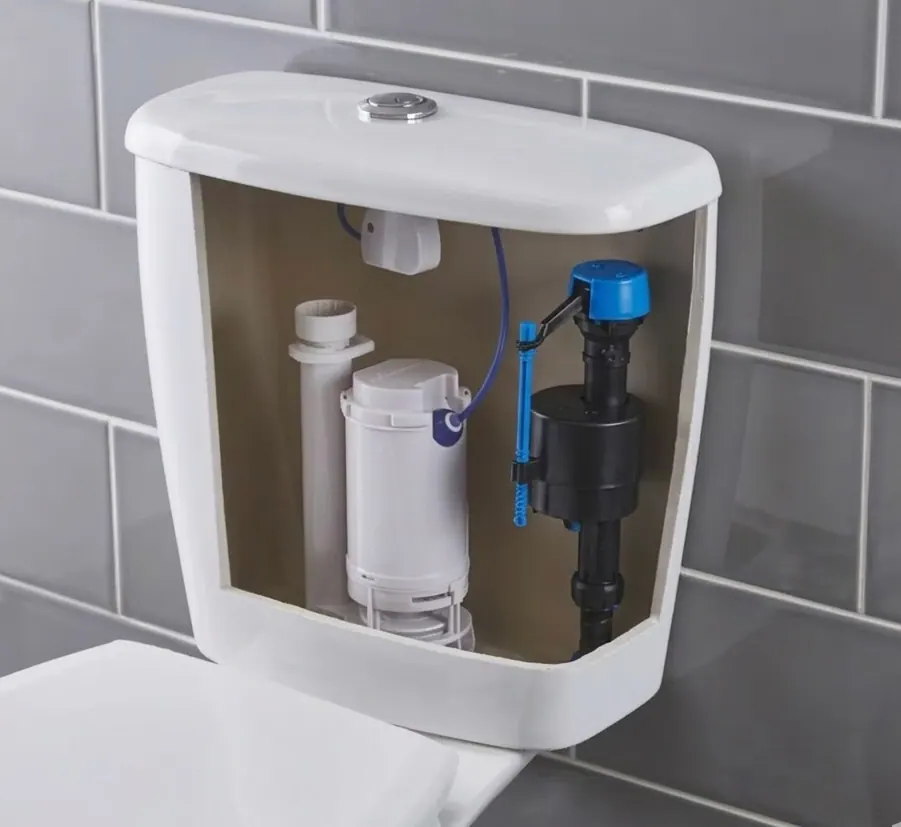
A downstairs loo is one of the most useful things you can add to a home — handy for guests, kids and muddy boots, and a genuine selling point. The question is what it’ll set you back. The straight answer: most downstairs toilets cost between £2,000 and £4,000 in 2026, with the average around £2,450. But one factor — drainage — swings the price more than anything else, so here’s the full picture using real 2026 UK figures.
The Quick Answer
| Scenario | Typical cost |
|---|---|
| Simple install near existing drainage | £2,000 – £2,800 |
| Under-stairs cloakroom | ~£3,000 |
| Standard range (most projects) | £2,000 – £4,000 |
| High-spec / concealed plumbing | up to £6,000 |
The average job comes in around £2,450 — roughly £950 in materials and £1,500 in labour. Where you land in the range depends mostly on where the toilet goes and how easy it is to drain.
Where the Money Goes
- The toilet and basin: £200–£500. A compact cloakroom suite is cheaper than a full bathroom’s worth of fittings, and you don’t need much for a small space.
- Materials overall: around £950. On top of the suite, that’s pipework, a small stud wall and door if needed, tiling or splashback, tap, and sundries.
- Labour: £500–£1,500. Usually a mix of plumbing, a bit of carpentry for the stud wall, and tiling — a couple of days’ work for a straightforward cloakroom.
- Drainage: £900–£1,000 (plus groundworks). Connecting to the soil pipe is the wildcard — see below.
The Drainage Question (the Big One)
This is what makes two “downstairs toilet” quotes differ by a thousand pounds. A toilet needs to get its waste to your main soil pipe, and there are two ways to do it:
- Gravity drainage. If the new toilet is close to the soil stack and there’s enough natural fall, the waste runs there by gravity through standard pipework. This is the cheapest and best option — so siting the toilet near the existing stack keeps costs down. Connecting in typically runs £900–£1,000, more if the floor has to be dug up for a new underground connection.
- A macerator (upflush) toilet. If you can’t get gravity fall — say the toilet’s under the stairs, far from the stack — a macerator unit grinds the waste and pumps it through a small-bore pipe to the drain. It lets you fit a toilet almost anywhere, and costs roughly £300–£600 for the unit, often saving on groundworks. The trade-off is a small pump you’ll hear, and a unit that needs occasional maintenance.
Site it near the stack if you can
The single biggest thing you can do to keep the cost sensible is put the toilet as close to the existing soil pipe as possible — a downstairs cloakroom backing onto the same wall as the upstairs bathroom’s drainage is ideal. Get a plumber to look at where your soil stack runs before you settle on a location.
What Affects the Price
- Drainage — gravity vs macerator, and distance to the stack. The biggest single factor.
- Where it goes — converting an under-stairs cupboard or a corner of a utility is far cheaper than building a new structure.
- Structural work — new stud walls, a door, or (at the top end) a small extension all add up.
- Fixtures and finish — a basic white suite versus a designer basin, wall-hung pan and concealed cistern.
- Where you live — labour rates in London and the South East run higher.
Building Regs
Adding a new WC has to meet building regulations — mainly around drainage and ventilation (a small cloakroom usually needs an openable window or an extractor fan). You don’t normally need planning permission for internal work, but the building regs side matters, and a good installer will make sure the job is done to standard. It’s worth getting right, both for safety and for when you come to sell.
How to Keep the Cost Down
- Convert existing space — an under-stairs cupboard or utility corner is far cheaper than building new.
- Site it near the soil stack — the closer to existing drainage, the less it costs to connect.
- Keep the suite simple — a compact close-coupled toilet and small basin do the job; concealed cisterns and wall-hung pans cost more to buy and fit.
- Consider a macerator only where gravity drainage genuinely isn’t practical — it opens up locations, but gravity is quieter and lower-maintenance where it’s an option.
- Get two or three quotes from experienced fitters, and ask each how they’ll handle the drainage — that’s where the real difference shows.
The Short Version
Most downstairs toilets cost £2,000–£4,000 in 2026, averaging about £2,450, with under-stairs cloakrooms around £3,000 and high-spec jobs up to £6,000. The biggest cost swing is drainage: site the toilet near your soil stack for gravity drainage where you can, or use a macerator (£300–£600) where you can’t. Convert existing space, keep the suite simple, make sure it meets building regs, and get a few fixed-price quotes — and you’ll add a genuinely useful room without overpaying.