Boiler Keeps Losing Pressure? 5 Causes and How to Fix Them
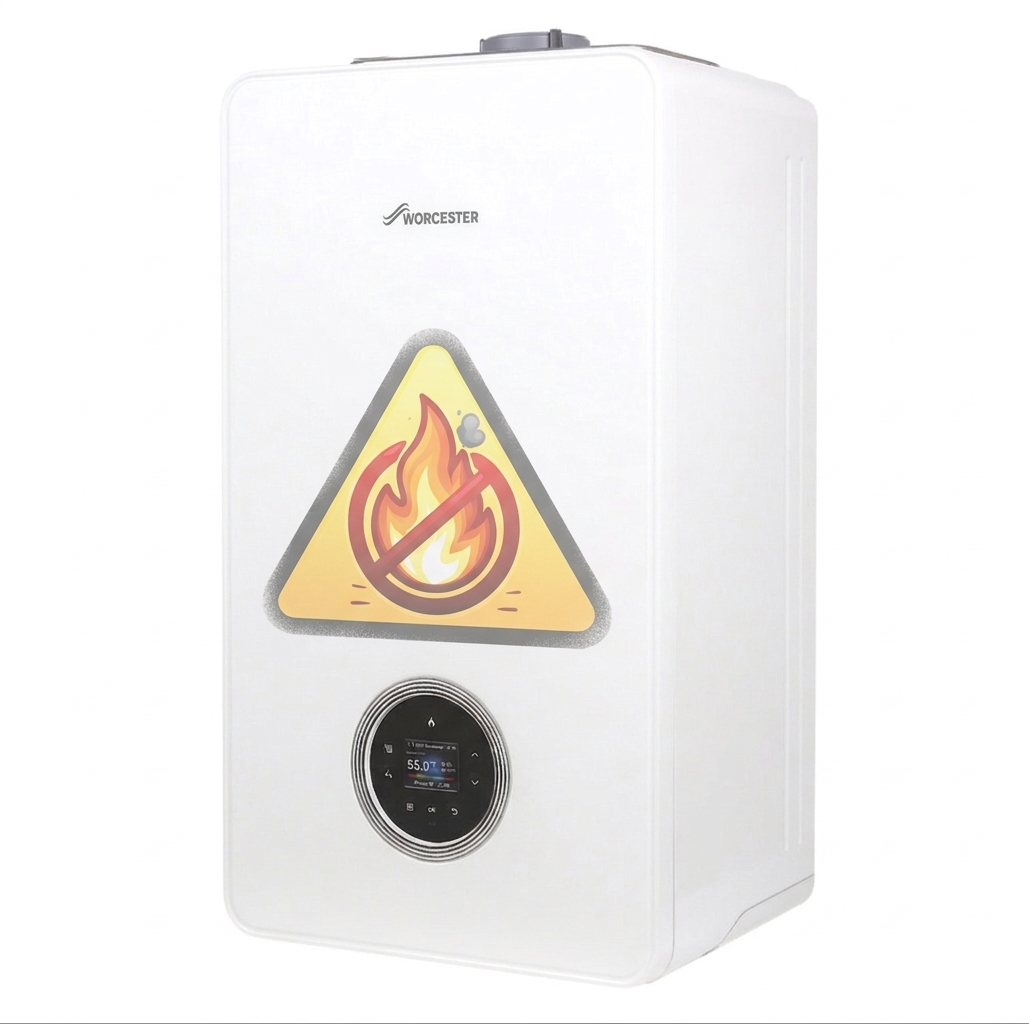
If you're topping up the boiler pressure every few days using the filling loop, something is wrong. A sealed heating system should hold its pressure indefinitely once it's been filled. Constant pressure drops mean water is leaving the system somewhere, or the components that manage pressure aren't working properly. Here are the five most common causes and how to diagnose each one.
How Pressurised Heating Systems Work
Understanding the basics makes the rest of this guide much easier to follow. A modern combi or system boiler uses a sealed, pressurised circuit. There's no header tank in the loft like older gravity-fed systems. Instead, the system relies on three things to manage pressure:
- The filling loop — a braided hose (usually underneath the boiler) that connects the mains cold water to the heating circuit. You open the valves to fill the system to the correct pressure, then close them and ideally remove the hose. The filling loop should not be left permanently connected with the valves open — a faulty valve could overpressurise the system to mains pressure.
- The expansion vessel — a metal vessel (usually inside the boiler, sometimes a separate unit) with a rubber diaphragm. One side has compressed air (usually at 1–1.5 bar), the other side has heating system water. When the water heats up and expands, it pushes into the air side of the vessel instead of building pressure in the system. Without this, the system would overpressurise every time the heating fired up.
- The pressure relief valve (PRV) — a safety valve that opens if the system pressure exceeds 3 bar. It dumps water outside through a small copper pipe, usually exiting through the external wall behind the boiler. It's a safety device — if it's activating regularly, something else is wrong.
Normal operating pressure when the system is cold should be between 1 and 1.5 bar. When the heating is on and the water is hot, it'll rise to around 1.5–2 bar. If your gauge is regularly dropping below 1 bar, or you're topping up more than once every few months, one of the following five things is happening.
Cause 1: A Leak on the System
The most obvious cause and the first thing to check. If water is leaving the system through a leak, the pressure will drop. The leak doesn't need to be dramatic — a tiny weep from a radiator valve can lose enough water over a week to drop the pressure noticeably.
Where to look
- Radiator valves. Check both ends of every radiator. Feel underneath the TRV heads — lift the head off if needed. Check the compression fittings at each valve. A damp patch or green corrosion staining on the fitting is a giveaway.
- Under radiators. Run your hand along the bottom edge. A slow drip from a valve will track along the underside of the radiator and collect at the lowest point.
- Visible pipework. Check anywhere pipes are exposed — under the boiler, in the airing cupboard, where pipes enter walls or floors.
- Ceilings. Brown or yellowish patches on a ceiling below a bathroom or upstairs radiator often indicate a slow leak from pipework running through the floor above.
- Under floorboards. If you can't find anything visible, the leak may be in pipework under the floor. This is harder to diagnose without lifting boards, but wet patches on joists or damp insulation are signs.
The tissue paper test
Wrap a strip of dry tissue around each radiator valve fitting and leave it for an hour with the heating on. If the tissue is wet when you come back, you've found your leak. This catches weeps that are too slow to see or feel by hand.
Cause 2: Failed Expansion Vessel
This is one of the most common causes of recurring pressure loss, and the one most often missed. If the rubber diaphragm inside the expansion vessel ruptures, water floods into the air side. The air escapes into the heating system, gets vented out through the automatic air vent, and the system loses both its air charge and its water. The pressure drops.
What makes this confusing is that the pressure often goes up first (because there's nowhere for the water to expand to), which triggers the pressure relief valve, which dumps water outside. Then the pressure drops. You end up in a cycle of the system overpressurising when hot and underpressurising when cold.
How to check
Find the Schrader valve on the expansion vessel — it looks like a bike tyre valve, usually on top of or on the side of the vessel. Press the pin briefly:
- Air comes out — the diaphragm is intact. The vessel may just need repressurising. Use a bicycle pump and a pressure gauge to pump it back up to 1–1.5 bar (check your boiler manual for the exact figure). The heating system should be drained or depressurised first.
- Water comes out — the diaphragm has failed. The expansion vessel needs replacing. This is a job for a heating engineer — it involves draining the system and potentially removing the boiler casing.
Extra expansion vessel
Many combi boilers have expansion vessels sized only for the boiler's internal volume, not for the full radiator circuit. If you've got a large system (10+ radiators), ask your plumber about fitting an additional external expansion vessel — usually in the airing cupboard. It halves the workload on the internal vessel and gives you much more headroom for expansion.
Cause 3: Dripping Pressure Relief Valve
The pressure relief valve (PRV) is designed to open at 3 bar and dump water outside as a safety measure. But like any valve with a spring and a rubber seal, it wears out over time. After about 10 years, many PRVs start to pass — dripping water out slowly even when the system pressure is well below 3 bar.
The problem is that the PRV pipes water to the outside of the house, usually through a small 15mm copper pipe that exits the wall behind the boiler. It's often behind a bush or at the back of the property where nobody looks. You can lose litres of water a week through a dripping PRV without ever seeing it inside.
How to check
Go outside and find the small copper pipe that exits the wall near the boiler. Run your finger under the end of it. If it's wet or dripping, the PRV is leaking. The fix is a new pressure relief valve — they're inexpensive parts but replacing them requires draining the boiler circuit, so it's a job for a Gas Safe engineer.
PRV dripping vs expansion vessel failure
These two problems often go together. A failed expansion vessel causes the system to overpressurise when hot, which forces the PRV open. The PRV dumps water, the pressure drops, and you top it up. The cycle repeats. If the PRV is dripping, always check the expansion vessel too — the PRV may be doing exactly what it's supposed to do in response to a deeper problem.
Cause 4: Automatic Air Vent Losing Water
Most modern boilers have an automatic air vent (AAV) inside the casing. It does what the name suggests — it automatically releases air from the system so you don't have to bleed radiators constantly. It's a useful component that works perfectly most of the time.
The problem comes when there's excess gas in the system (see cause 5 below). The AAV vents this gas, but as it does, it can also release small amounts of water vapour with it. Over time, this adds up to a noticeable pressure drop. You won't see any water — it evaporates inside the boiler casing — but the system slowly loses volume.
If the AAV itself is faulty (the float mechanism inside can stick or deteriorate), it may vent water even when there's no gas present. A faulty AAV is usually visible inside the boiler casing as moisture, dripping, or corrosion around the vent. This is a boiler engineer job to diagnose and replace.
Cause 5: Low Inhibitor Causing Gas Build-Up
This one is less obvious but surprisingly common, especially in systems that haven't been serviced in a while. Heating system inhibitor is a chemical additive that prevents the water from reacting with the metal inside radiators, pipes, and boiler components. Without it, the water corrodes the steel and iron, producing rust (magnetite sludge) and hydrogen gas.
The hydrogen gas rises through the system, reaches the automatic air vent, and gets vented out. Every time gas leaves the system, it takes up space that water used to fill, and the pressure drops. You might also notice radiators needing bleeding more often than usual — the gas you're releasing when you bleed is hydrogen, not air.
How to fix it
Get the system topped up with a quality inhibitor (Fernox F1 or Sentinel X100 are the industry standards). The easiest way is through a radiator — close the valves on one radiator, remove the bleed valve, pour the inhibitor in using a funnel, refit the bleed valve, and open the valves. Run the heating to circulate it.
If the system has been running without inhibitor for a long time, a power flush is worth considering. This clears out the accumulated sludge before adding fresh inhibitor. Topping up inhibitor on top of years of sludge is better than nothing, but it's treating the symptom rather than the cause.
Pump speed matters too
If the central heating pump is set too high for the system, it can cause cavitation — where the impeller spins fast enough to separate dissolved gas from the water. This creates more hydrogen, which ends up at the AAV, which vents it, which drops the pressure. If you've recently had a new pump fitted or the speed changed, and the pressure started dropping around the same time, turn the pump speed down one setting and see if the problem stops.
How to Top Up the Pressure (Short-Term Fix)
While you're diagnosing the underlying cause, you'll need to keep the system running. Here's how to top up the pressure using the filling loop:
- Find the filling loop — it's usually a braided flexible hose underneath or near the boiler, connecting the mains cold water pipe to the heating circuit. Some boilers have a built-in filling key instead.
- Make sure the heating is off and the system is cool.
- Open one valve on the filling loop, then slowly open the second. You'll hear water flowing into the system.
- Watch the pressure gauge on the boiler. Fill slowly until it reads 1.2–1.5 bar.
- Close both valves. Close the second one first, then the first.
- If the filling loop is a removable braided hose, disconnect it and hang it nearby. Don't leave it connected with the valves closed — a leaking valve could slowly overpressurise the system.
Don't just keep topping up
Every time you add fresh mains water to the system, you're adding dissolved oxygen, minerals, and chlorine. These accelerate corrosion inside the radiators and dilute whatever inhibitor is in there. Topping up once is fine. Topping up every week means you're slowly destroying the system from the inside while masking the real problem. Find and fix the cause.
When to Call a Plumber
You can check for visible leaks and top up the pressure yourself. But some of these causes need a professional:
- Expansion vessel replacement — requires draining the system and working inside the boiler casing. Gas Safe engineer territory.
- Pressure relief valve replacement — same as above. The PRV is inside the boiler and involves draining the system.
- Automatic air vent replacement — inside the boiler casing, needs a competent person to diagnose and replace.
- Hidden leaks under floors — if you can't find the leak visually, a heating engineer can pressurise the system and check for drops with the boiler isolated to narrow down whether the leak is in the boiler or the pipework.
- Power flush — if the system is full of sludge and hydrogen, a full flush with fresh inhibitor is the proper fix.
If you're topping up the pressure more than once a month, something needs fixing. The longer you leave it, the worse the corrosion gets and the more expensive the eventual repair.