

Bathroom Installations & Renovations in Stamford
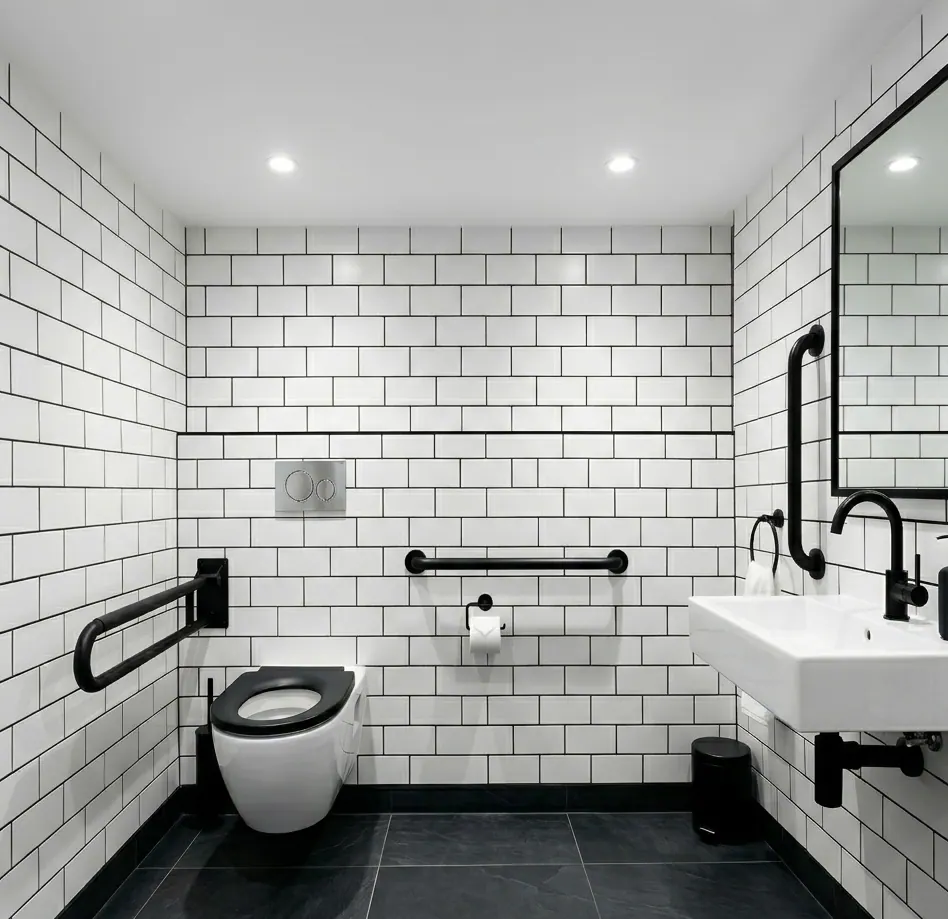
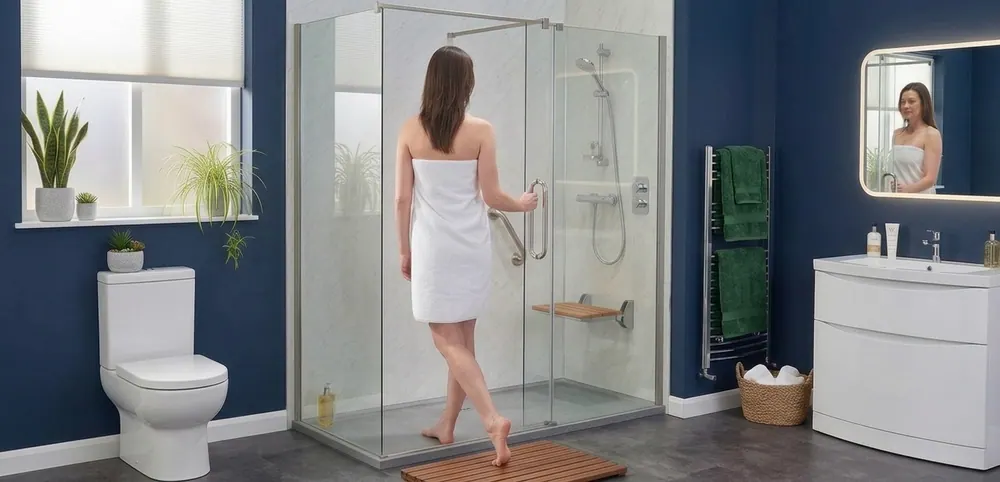
Under Stamford's skyline of medieval church spires sits a housing stock — Georgian townhouses, stone cottages, Victorian villas — where no two bathrooms start from quite the same place. A new bathroom changes how you start and end every day. Whether you're updating a tired suite, converting a spare room into an en-suite, or gutting the whole thing and starting from scratch — it can all be handled.
Stamford has a real mix of properties, and that matters when it comes to bathrooms. The Victorian terraces in St Martin’s often have original plumbing that needs careful updating. The 1930s semis around the town centre usually have boxed-in pipes and awkward layouts. And the new builds on Quarry Farm and the Meadows might look modern but sometimes have snagging issues that need sorting before a refit.
With so many listed and conservation-area homes around All Saints and St Mary's, a proper survey up front saves surprises once the old suite comes out. All of it gets handled. Every property gets a proper survey before you're quoted, so the price you're given is the price you pay. No extras, no surprises halfway through.
Because the mains here is drawn hard off the Lincolnshire limestone, limescale is the quiet enemy of every fitting that goes in. This is a hard water area, which means limescale builds up on taps, shower heads, and inside pipes faster than average. Limescale-resistant fittings are always recommended, and your fitter can advise on water softener options if you want to protect your new bathroom long-term.
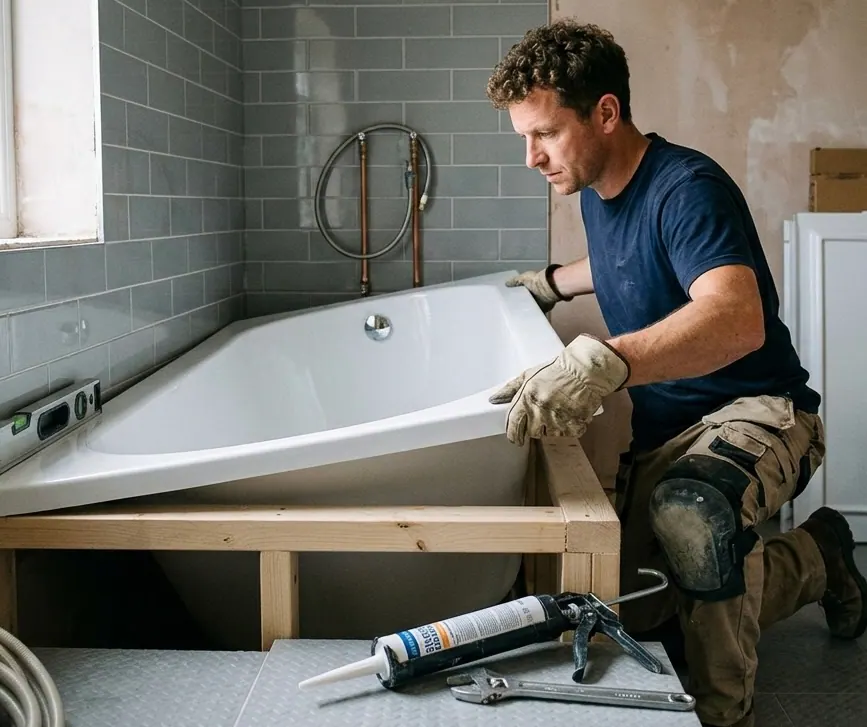
The local fitter we connect you with handles the whole project, from initial survey through to final tile. Your fitter coordinates the plumbing, electrics, tiling and fixtures in sequence, so there's no chasing up separate trades and no surprise charges at the end. Across Stamford the fitters cover suite swaps in 60s and 70s semis, full renovations in the period homes near the market square, en-suite installs in larger Quarry Farm and the Meadows properties, and accessible bathroom conversions in the surrounding villages where older residents are determined to stay in their own homes.